
A New Chapter in Portable Computing
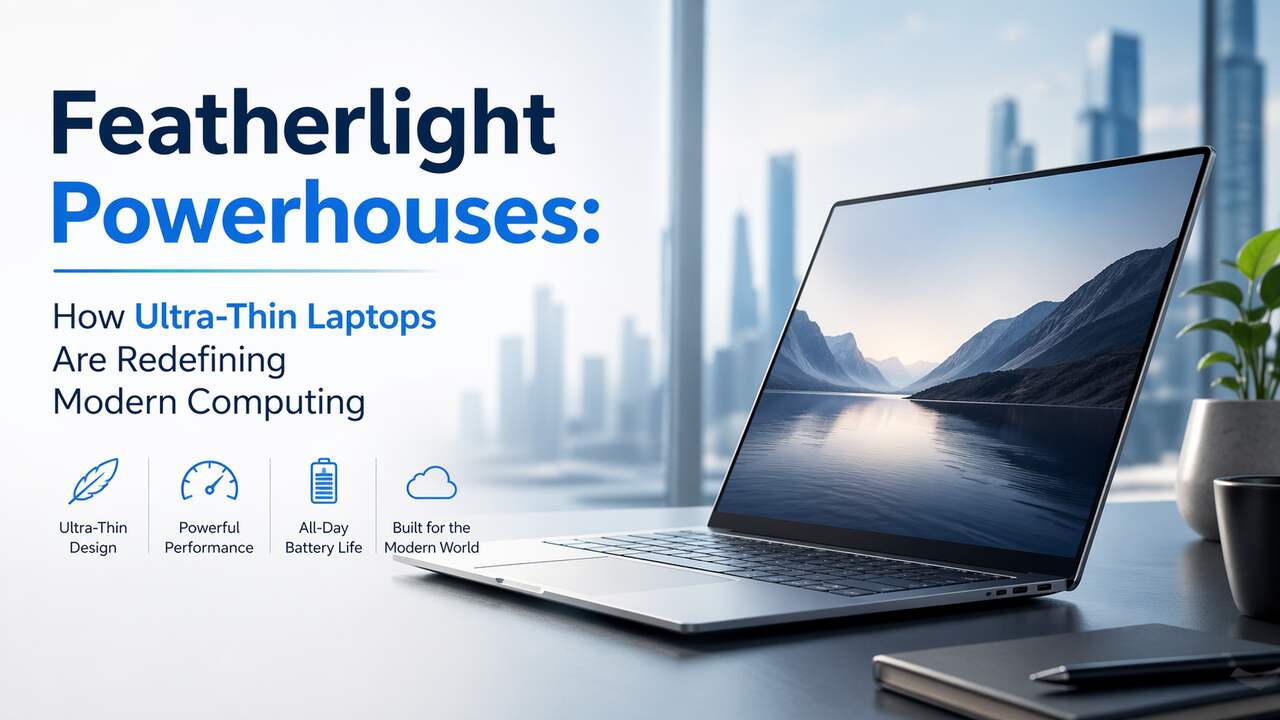
The landscape of personal computing has changed dramatically, and one of the most noticeable shifts is the rise of ultra-thin laptops. These devices are no longer just about portability. The popularity of the slim laptop reflects a growing demand for lightweight devices that do not compromise on performance or functionality. They represent a careful balance between mobility and performance, offering users the ability to carry powerful machines wherever they go. What once seemed like a compromise between size and capability has now become a refined blend of both, giving users access to high-level performance in a compact and elegant form.
Ultra-thin laptops have gained popularity among professionals, students, and everyday users who value convenience without sacrificing functionality. The ability to work, create, and entertain on a device that fits easily into a bag has transformed expectations. Modern users no longer accept bulky machines as the price of performance. Instead, they demand efficiency, speed, and style in a single device, and manufacturers have responded by pushing the limits of engineering and design.

The Evolution from Bulk to Precision
In earlier years, laptops were often seen as portable but limited versions of desktop computers. They were heavier, thicker, and less powerful, making them suitable only for basic tasks. Over time, advancements in technology allowed engineers to rethink this approach. The focus shifted toward making devices slimmer while improving their internal capabilities.
This transformation was driven by the miniaturization of components. Processors became smaller yet more powerful, storage devices evolved into faster and more compact forms, and memory modules improved in both size and efficiency. These changes made it possible to design laptops that are significantly thinner without losing the ability to perform demanding tasks.
Today’s ultra-thin laptops reflect years of refinement. They are no longer defined by compromise but by precision. Every component is carefully selected and placed to maximize performance while maintaining a sleek profile. This shift has redefined what users expect from portable computing.
Materials That Make It Possible
The materials used in modern ultra-thin laptops play a crucial role in their success. Manufacturers rely on advanced materials that provide strength without adding unnecessary weight. Aluminum is widely used because it offers durability and a premium feel, while magnesium alloys provide even lighter alternatives without sacrificing structural integrity.
Some devices incorporate carbon fibre, which is known for its strength and lightweight properties. These materials not only make laptops easier to carry but also enhance their resistance to daily wear. A well-built ultra-thin laptop can handle regular use while maintaining its appearance and performance over time.
The choice of materials also affects heat management and overall design. Strong yet lightweight materials allow for thinner frames, which contribute to the clean and modern aesthetic that many users prefer. This combination of form and function is one of the defining features of today’s ultra-thin devices.
Cooling Challenges and Smart Solutions
One of the biggest challenges in designing ultra-thin laptops is managing heat. Powerful components generate significant heat, and limited space makes it difficult to dissipate it effectively. Without proper cooling, performance can suffer, and the device may become uncomfortable to use.
To address this, manufacturers have developed advanced cooling systems that fit within slim designs. Techniques such as vapor chambers and improved airflow systems help regulate temperature without adding bulk. These solutions ensure that laptops can maintain consistent performance even during demanding tasks.
Efficient cooling is not just about comfort. It also plays a key role in extending the lifespan of internal components. By keeping temperatures under control, ultra-thin laptops can deliver reliable performance over time, making them a practical choice for long-term use.
Performance Without Compromise
Despite their slim profiles, modern ultra-thin laptops are capable of handling a wide range of tasks. Advances in processing technology have made it possible to include powerful processors that can manage everything from everyday applications to more demanding workloads.
Graphics capabilities have also improved, allowing these devices to support creative work and even gaming. While they may not always match the highest-end desktop systems, they offer more than enough power for most users. This level of performance makes ultra-thin laptops suitable for professionals who need reliable machines on the go.
Devices like the Razer Blade 16 highlight how far this category has come. They demonstrate that it is possible to combine strong performance with a slim design, providing users with a device that meets both aesthetic and functional expectations.
Connectivity in a Slim Design
At first glance, it might seem that thinner laptops would come with fewer connectivity options. However, modern designs have found ways to include a variety of ports and wireless capabilities without compromising the overall look.
High-speed connections allow users to transfer data quickly and connect to external devices with ease. Wireless technologies have also improved, making it easier to stay connected in different environments. This ensures that ultra-thin laptops remain practical for both personal and professional use.
The ability to connect seamlessly with other devices is an important part of the modern computing experience. Whether it is linking to external displays or syncing with mobile devices, ultra-thin laptops are designed to keep users connected at all times.
Display Innovation and Visual Experience
The display is one of the most noticeable aspects of any laptop, and ultra-thin models have benefited greatly from recent advancements in screen technology. Thinner panels have allowed for larger displays within smaller frames, creating a more immersive viewing experience.
Improved resolution and color accuracy make these screens suitable for both work and entertainment. Whether editing photos or watching videos, users can enjoy clear and vibrant visuals. Higher refresh rates also contribute to smoother motion, enhancing the overall experience.
Touch functionality and adaptive display features are becoming more common, adding another layer of interactivity. These improvements make ultra-thin laptops more versatile, catering to a wide range of user preferences.
Battery Life and Intelligent Efficiency
Battery performance is a critical factor for any portable device, and ultra-thin laptops are designed with this in mind. Advances in battery technology and power management have made it possible to achieve longer usage times without increasing size.
Efficient components and smart software work together to optimize energy consumption. This allows users to rely on their laptops for extended periods without needing frequent charging. Fast charging features also help reduce downtime, making these devices even more convenient.
The focus on efficiency extends beyond battery life. It also influences how quietly and smoothly the device operates, contributing to a better overall experience.
The Role of Software Optimization
Hardware alone cannot deliver the full potential of ultra-thin laptops. Software plays a key role in ensuring that all components work together efficiently. Modern operating systems are designed to manage resources effectively, allowing users to switch between tasks without noticeable delays.
Regular updates help improve performance and introduce new features that enhance usability. These improvements ensure that ultra-thin laptops remain relevant and capable even as technology continues to evolve.
The integration between hardware and software creates a seamless experience that users can rely on, whether they are working, studying, or relaxing.
Shifting Consumer Expectations
The growing popularity of ultra-thin laptops reflects a broader change in consumer preferences. Users now expect devices that are not only powerful but also easy to carry and visually appealing. This shift has influenced how manufacturers design and market their products.
Personalization has also become more important, with users seeking devices that match their specific needs. Whether it is increased storage, better graphics, or enhanced battery life, ultra-thin laptops offer a range of options to suit different lifestyles.
Sustainability is another factor shaping the market. Many manufacturers are exploring ways to reduce environmental impact by using recyclable materials and improving energy efficiency. This aligns with the growing awareness of responsible consumption.
Impact on Work and Education
Ultra-thin laptops have had a significant impact on how people work and learn. Their portability makes it easier to stay productive in different environments, from offices to remote locations. This flexibility supports modern work arrangements, allowing individuals to adapt to changing demands.
In education, these devices provide students with access to digital tools and resources that enhance learning. Their lightweight design makes them easy to carry, while their performance ensures that they can handle various academic tasks.
The combination of portability and capability makes ultra-thin laptops valuable tools in both professional and educational settings.
Looking Ahead to Future Innovations
The future of ultra-thin laptops is filled with exciting possibilities. Emerging technologies are expected to bring new features that enhance performance, usability, and design. Developments in artificial intelligence may allow devices to adapt more effectively to user behavior, creating a more personalized experience.
New display technologies, including flexible screens, could further change how laptops are used and designed. At the same time, continued improvements in materials and manufacturing processes may lead to even lighter and more durable devices.
As innovation continues, ultra-thin laptops will likely remain at the forefront of personal computing. Their ability to combine performance, portability, and style ensures that they will continue to meet the evolving needs of users around the world.
