
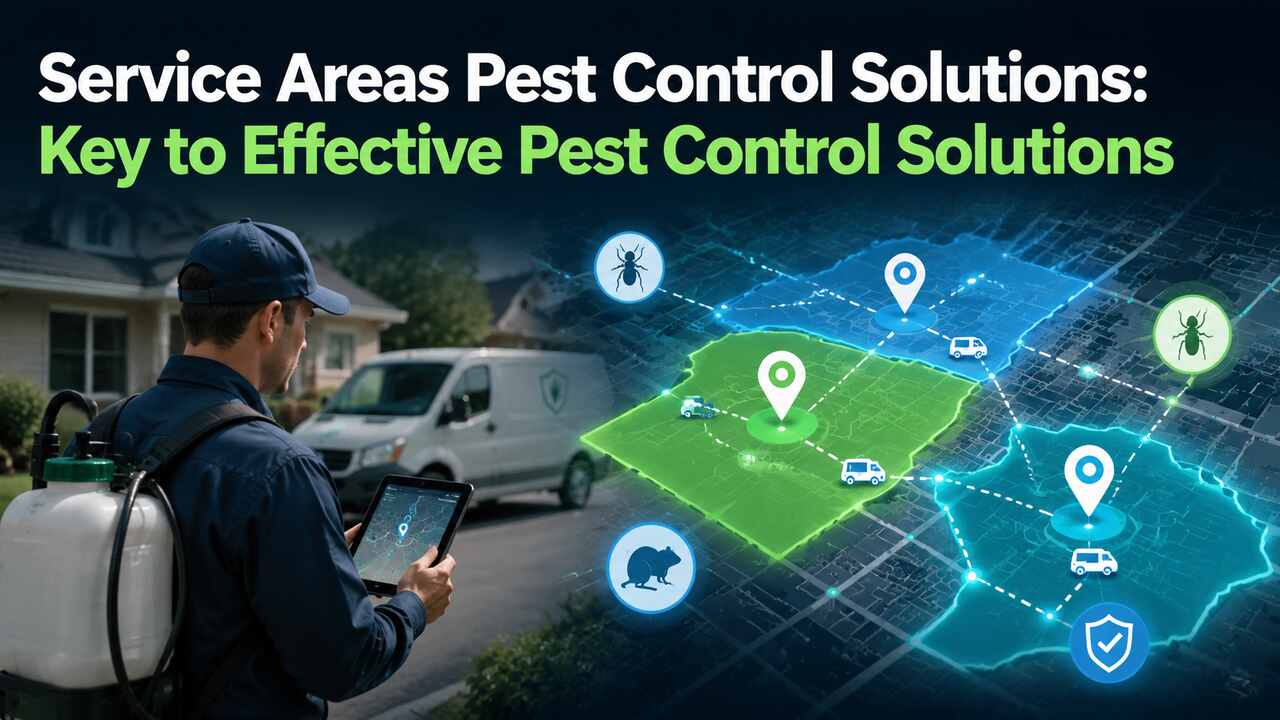
Local expertise in pest control plays a crucial role, enabling professionals to grasp regional pest behaviors, breeding cycles, and treatment timings. This knowledge allows for tailored solutions that meet specific needs of various areas.
Different regions encounter diverse pests. In warmer months, mosquitoes proliferate, while winter brings an upsurge in rodent activity. This highlights the necessity for timely pest management strategies.
A comprehensive pest control plan merges immediate treatments with long-term preventive measures, tackling both current infestations and favorable conditions for pests.
Seasonal treatments markedly improve residential pest control effectiveness by managing populations proactively, thus preventing issues before they escalate and ultimately cutting down costs associated with infestations.
Businesses require customized pest management strategies to safeguard their reputation and trust among customers. Different sectors contend with unique pest challenges that demand specific interventions.
Investing in professional pest management has a strong return on investment. This approach minimizes the costs linked to pest infestations and boosts employee productivity, while fostering customer loyalty through improved cleanliness and safety standards.
Today’s pest control methods incorporate innovative strategies like Integrated Pest Management and biological controls. These techniques aim to eliminate pests across all lifecycle stages while ensuring safety for both people and pets.
The Importance of Local Expertise in Pest Control
Why Local Knowledge Matters in Pest Management
In the realm of effective pest control, the role of local expertise is pivotal. Various regions carry their own unique climates, geography, and ecosystems, which bring distinct pest challenges. Professionals in the pest management field possess an intimate understanding of these local variances. Their expertise not only includes typical pest behaviors but also extends to local breeding patterns, migration routes, and ideal treatment timings. This nuanced understanding allows businesses to respond actively to the pest problems that residents face.
Take, for example, a licensed exterminator in Middlesex County; their approach to pest control will differ from that of an exterminator operating in a different climate. Local specialists are well aware of which pests are most common during particular seasons. This precision in timing often distinguishes effective strategies from the average. Yet, not all pest control firms emphasize local insights, which can be a missed opportunity.
Identifying Regional Pest Challenges
Areas like Middlesex County or Hillsborough County encounter specific pests that thrive under particular conditions. For example, warmer months may see a surge in mosquito populations, while winter commonly brings an increase in rodent activity. Grasping these seasonal patterns enables professionals to forewarn potential infestations, which is a far more effective tactic than simply reacting once problems arise.
Some common pests found in these service regions include:
- Bed Bugs: Often discovered in urban and suburban homes, these pests require targeted treatments.
- Ticks: With more outdoor activities, managing ticks becomes crucial for safety.
- Rodents: Mice and rats seek shelter and food, presenting concerns throughout the year.
Recognizing these trends is vital for those in the pest control industry or property owners aiming to keep their spaces free of pests.
Essential Services for Residential Pest Control
Thorough Approaches to Home Extermination
An effective residential pest control strategy combines various methods tailored to address the specific challenges faced by each household. Thorough pest control doesn’t merely tackle immediate threats; it also delves into underlying conditions that can attract pests. For example, merely applying insecticides isn’t sufficient. A complete treatment must involve analyzing how pests access the home and understanding what factors lure them inside.
Typical services may include:
- Inspection: A comprehensive examination to discover pest signs and possible entry points.
- Treatment Plans: As every household’s pest issue is different, customization is key.
- Follow-Up Services: Regular monitoring ensures the effectiveness of initial treatments and detects new pests early on.
Research indicates that homeowners who commit to ongoing pest management experience significantly reduced infestations compared to those who seek help only after problems emerge.
How Seasonal Treatments Enhance Home Safety
Residential pest control should not be viewed as a one-time fix. The timing of treatments plays a crucial role. By implementing seasonal treatments, the risk of infestations can be significantly reduced. For instance, tackling potential issues before pests become active can save homeowners considerable troubles and costs in the future.
Regular seasonal treatments keep homes secure and pest-free, often at a lower cost than dealing with full-blown infestations.
A typical seasonal treatment schedule might include:
- Spring Treatments: Aimed at controlling ants, mosquitoes, and termites as they become more active.
- Summer Monitoring: Keeping watch for wasps, hornets, and mosquitoes during increased outdoor activities.
- Fall Preparation: Sealing entry points and gearing up for winter rodent activity.
Each year presents its own challenges. As the seasons transition, pest behaviors shift too, making proactive measures paramount.
Commercial Pest Solutions: Protecting Your Business
Tailored Strategies for Different Industries
Businesses must remain vigilant not just for customer satisfaction but also to uphold their brand reputation. A pest infestation can quickly transform into a public relations crisis. This reality reinforces the need for tailored strategies that are distinct to individual industries. For example, restaurants confront different pest challenges than those in the hotel sector.
In service sectors, effective pest management directly correlates to increased customer trust and satisfaction. Service providers assess operational needs, adjusting pest control solutions accordingly:
- Preventative Measures: While many businesses focus primarily on remediation, neglecting preventative strategies can lead to future complications.
- Employee Training: Training staff to recognize pest signs can mitigate problems before they aggravate.
- Compliance with Regulations: In food service contexts, adherence to health standards is critical.
These specific interventions safeguard not only the business but also public health, which is invaluable for maintaining customer and employee trust.
The ROI of Professional Pest Management
Investing in professional pest management goes beyond being just another expense; it’s an investment with significant returns. When businesses prioritize pest control, the benefits can be pronounced. Effective pest management can reduce liability risks and lower long-term costs.
A proactive pest control strategy essentially pays for itself, maintaining business reputation and ensuring customer satisfaction.
Key potential returns on investment include:
- Cost Savings: Minimizing or eliminating infestations saves valuable resources typically expended on remediation.
- Employee Productivity: A healthier work environment results in fewer sick days and higher morale.
- Customer Loyalty: Customers tend to favor establishments that demonstrate a commitment to cleanliness and safety.
The data is clear. By investing in professional pest control, businesses can significantly lower costs while gaining a competitive advantage.
Innovative Treatments: From Bed Bugs to Mosquito Control
High-Impact Techniques for Effective Pest Elimination
The field of pest control is swiftly advancing. New treatment options are emerging that not only promise efficiency but also prioritize safety for humans and pets alike. The current focus is on strategies that target not just adult pests but also disrupt the entire lifecycle of insects.
High-impact techniques come in various forms, from natural deterrents to sophisticated chemical extermination choices:
- Integrated Pest Management (IPM): A multifaceted approach that combines several methods for improved outcomes.
- Heat Treatments: This is particularly effective for bed bugs, as it eradicates pests across all stages of their lifecycle.
- Biological Controls: Harnessing natural predators to manage pest populations helps keep chemical usage minimal.
Strategies like these go beyond temporary fixes; they aim to solve the root causes of infestations.
Understanding the Science Behind Pest Control Methods
For many, pest control might appear to be just a series of quick solutions, yet there’s a scientific foundation underpinning effective strategies. Grasping the biology of pests—their reproduction habits, feeding patterns, and environmental interactions—can result in more effective treatment plans.
Science informs best practices; knowledge of pest behavior drives effective solutions.
Common principles that form the foundation of successful pest control include:
- Behavioral Insights: Understanding how pests respond to various stimuli guarantees more focused interventions.
- Lifecycle Disruption: Treatments disrupting breeding and feeding behaviors generally yield superior results.
- Environmental Factors: It’s equally vital to address conditions attracting pests for long-lasting solutions.
By merging scientific knowledge with practical expertise, pest control professionals can develop effective and sustainable solutions.
Investing in these pest control measures greatly enhances the health and comfort of both residential and commercial spaces. Clients who collaborate with dedicated professionals in local service areas frequently experience reduced stress and anxiety regarding pest-related issues.
FAQ
What role do inspections play in pest control?
Inspections are essential for effective pest control. They identify both existing infestations and potential entry points or conditions conducive to pests. A comprehensive inspection equips professionals to create a customized treatment plan that addresses each property’s unique situation.
How often should seasonal pest control be performed?
Experts recommend conducting seasonal pest control at least four times per year, coinciding with seasonal pest activities. This proactive strategy helps mitigate the risks of infestations, ensuring ongoing safety and cleanliness.
Can DIY pest treatments be effective?
While DIY methods can provide temporary relief, they usually lack the comprehensive approach of professional services. Failing to address underlying issues often leads to pests returning, thus making consistent, professional intervention the more effective choice for long-term solutions.
What specific measures can businesses take to train employees for pest identification?
Businesses may hold training sessions that focus on common pests, their indicators, and preventive practices. Cultivating a vigilant culture can empower employees to recognize early signs of infestations, allowing for quicker responses and minimizing potential damage.
How do Integrated Pest Management strategies differ from traditional methods?
Integrated Pest Management (IPM) utilizes a multifaceted approach, drawing on a combination of biological, physical, and chemical treatments. This contrasts with traditional methods that may lean heavily on chemical solutions alone, making IPM a more sustainable and environmentally responsible choice.
What protective measures should be considered in food service environments?
In food service settings, strict hygiene protocols, sealing potential entry points, and ongoing employee training are vital. These precautions not only adhere to health regulations but also proactively manage pest risks, ensuring safety for both customers and staff.
How can understanding pest lifecycles enhance treatment effectiveness?
A deep understanding of pest lifecycles allows professionals to target various stages, disrupting their reproduction and feeding patterns. This targeted strategy translates to more effective treatments, reducing the chances of pest resurgence and yielding longer-lasting results.
What advancements are there in pest control technology?
Recent advancements encompass heat treatments, smart traps, and biological controls that leverage natural predators. Such innovative technologies not only improve effectiveness but also prioritize safety for humans and the environment, thus becoming increasingly desirable solutions in modern pest management.
