


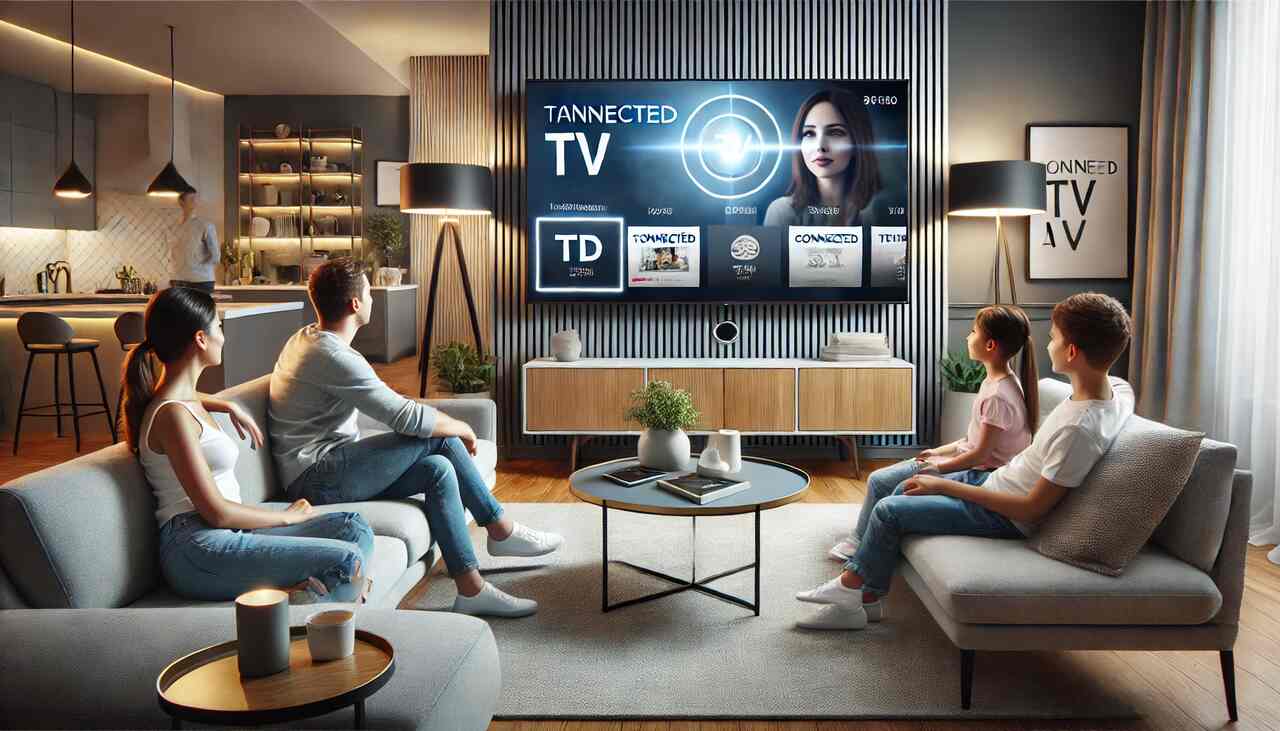
As the digital landscape continues to evolve, marketers are consistently on the lookout for innovative methods to engage with their audiences effectively. Traditional TV advertising is no longer the sole dominant player in the advertising world. The rise of Connected TV (CTV) advertising has disrupted the status quo, offering brands a more targeted, measurable, and interactive way to engage viewers. This article explores how connected TV advertising delivers targeted reach and higher engagement, making it an indispensable tool in modern marketing strategies.
Understanding Connected TV Advertising
Connected TV advertising refers to ads served through internet-enabled television devices such as smart TVs, streaming devices (e.g., Roku, Apple TV), and game consoles. With the increasing popularity of streaming services like Netflix, Hulu, and Disney+, viewers are moving away from traditional cable and satellite TV, opting for streaming options that provide greater flexibility and personalized content. As this shift continues, connected TV advertising provides brands with an opportunity to reach viewers directly through these devices, capitalizing on the surge in streaming consumption.
Unlike traditional TV advertising, which is often broad and less measurable, connected TV ads can be hyper-targeted based on specific audience data such as location, demographics, and viewing habits. This increased targeting ability results in ads that are more relevant to viewers, which in turn drives higher engagement rates and better overall campaign performance.
The Power of Targeted Reach
One of the primary benefits of connected TV advertising is its ability to deliver highly targeted reach. Traditional television ads often rely on broad audience targeting, focusing on large demographics based on factors such as age, gender, and geographic location. While this can be effective for some campaigns, it is not always the most efficient way to allocate ad spend.
Connected TV advertising, on the other hand, offers a level of precision that traditional TV cannot match. By leveraging data collected from various digital touchpoints, such as streaming platforms, social media, and even past purchasing behaviors, brands can target specific audience segments with ads that are highly relevant to them.
For instance, a fitness brand can target individuals who have recently watched workout videos on YouTube or those who have searched for gym memberships in their area. By reaching viewers with ads that align with their interests, connected TV advertising ensures that campaigns are more effective, minimizing wasted impressions and maximizing the potential for conversions.
Moreover, connected TV advertising allows for better geographic targeting. Marketers can serve ads based on the viewer’s location, whether they’re targeting a local market or rolling out a national campaign. This flexibility enhances the effectiveness of the ad by ensuring it reaches the right people in the right places at the right time.
Higher Engagement Through Interactivity
Traditional TV advertising is often seen as passive, with viewers being forced to sit through ads as part of the viewing experience. This lack of interactivity can result in lower engagement and decreased viewer interest over time. Connected TV advertising, however, introduces a new level of interactivity that helps increase viewer engagement.
With connected TV advertising, brands can create interactive experiences that encourage viewers to engage with the content in real time. This can include features like clickable ads, QR codes, or prompts to learn more about a product or service. By creating an engaging, interactive experience, brands are able to maintain viewers’ attention longer and enhance their overall campaign performance.
Additionally, connected TV advertising allows for more engaging and personalized creative formats. Brands can tailor the visuals, messaging, and even the call-to-action (CTA) based on the viewer’s behavior or preferences. For example, an ad for a home improvement product can show a DIY tutorial to someone who has recently searched for renovation tips online. This level of personalization encourages viewers to interact with the ad and follow through on the desired action, whether that’s making a purchase, signing up for a newsletter, or simply learning more about the product.
Enhanced Measurement and Analytics
One of the key advantages of connected TV advertising is the ability to track performance with much greater precision compared to traditional TV ads. With connected TV, marketers can access detailed analytics about their campaigns, including metrics such as view-through rates (VTR), click-through rates (CTR), and engagement times. This allows for real-time optimization of campaigns to improve performance and ROI.
In traditional TV advertising, it can be difficult to track the effectiveness of ads since they are often served during programs that may not align with a viewer’s interests. Connected TV advertising, however, offers precise measurement of how viewers are interacting with the ads, providing insights that can be used to adjust the strategy. For example, if a particular type of ad is performing well with a certain demographic, the campaign can be adjusted to focus more heavily on that segment, resulting in better overall outcomes.
Furthermore, connected TV advertising allows for the tracking of cross-platform engagement. Marketers can track a viewer’s interaction with an ad across different devices—whether it’s through a smart TV, mobile phone, or desktop—providing a more complete view of the customer journey. This data-driven approach helps brands understand how their ads are driving engagement at various touchpoints, leading to more informed decision-making and better campaign outcomes.
Optimizing the Consumer Experience
While targeted reach and higher engagement are critical components of connected TV advertising, it’s also important to consider how the advertising experience itself impacts the consumer. The goal of any ad campaign is not only to engage viewers but also to provide them with an experience that feels seamless and non-intrusive.
Connected TV advertising provides a more streamlined experience for consumers, as it integrates with the content they are already enjoying. Rather than interrupting their viewing experience with irrelevant ads, connected TV ads can be woven into the content in a way that feels natural. This enhances the consumer experience by ensuring that ads are both relevant and engaging, increasing the likelihood that viewers will respond positively to them.
Additionally, connected TV advertising allows for a more dynamic range of creative possibilities. Brands can use full-screen ads, short-form content, or even skippable ads, depending on the viewing experience they want to create. This variety in creative formats ensures that the advertising feels fresh and engaging, avoiding the fatigue that can come with repetitive, traditional TV ads.
The Future of Connected TV Advertising
As more consumers continue to adopt streaming services and cut the cord on traditional cable TV, the future of connected TV advertising looks increasingly bright. The ongoing improvements in data collection and audience targeting will allow brands to deliver even more personalized and effective ads in the future.
Furthermore, as technology continues to advance, we can expect to see more immersive ad formats, such as augmented reality (AR) and virtual reality (VR), integrated into connected TV advertising. These new formats will provide even more opportunities for brands to engage with viewers and create unforgettable experiences.
The rise of connected TV advertising is also paving the way for new opportunities in cross-channel campaigns. By integrating connected TV ads with digital, social, and even physical world interactions, brands can create a more cohesive and comprehensive marketing strategy that follows the consumer through every touchpoint of their journey.
Conclusion
Connected TV advertising has revolutionized the way brands engage with consumers, offering targeted reach, higher engagement, and a more seamless experience. By utilizing data-driven insights and interactive features, connected TV advertising provides a more effective way to capture the attention of modern audiences. As the landscape continues to evolve, brands that leverage connected TV advertising will be better equipped to meet consumer expectations and achieve their marketing goals in a rapidly changing digital world. Whether you’re a seasoned marketer or new to the world of connected TV, the potential for increased engagement and ROI is clear.
Read Also: Discover Hurawatch – Your Ultimate Guide to Streaming TV and Movies
