
Highlights
- Elon Musk (Entity: Person) announced plans to increase payouts for content creators on X (formerly Twitter), enhancing its monetization model.
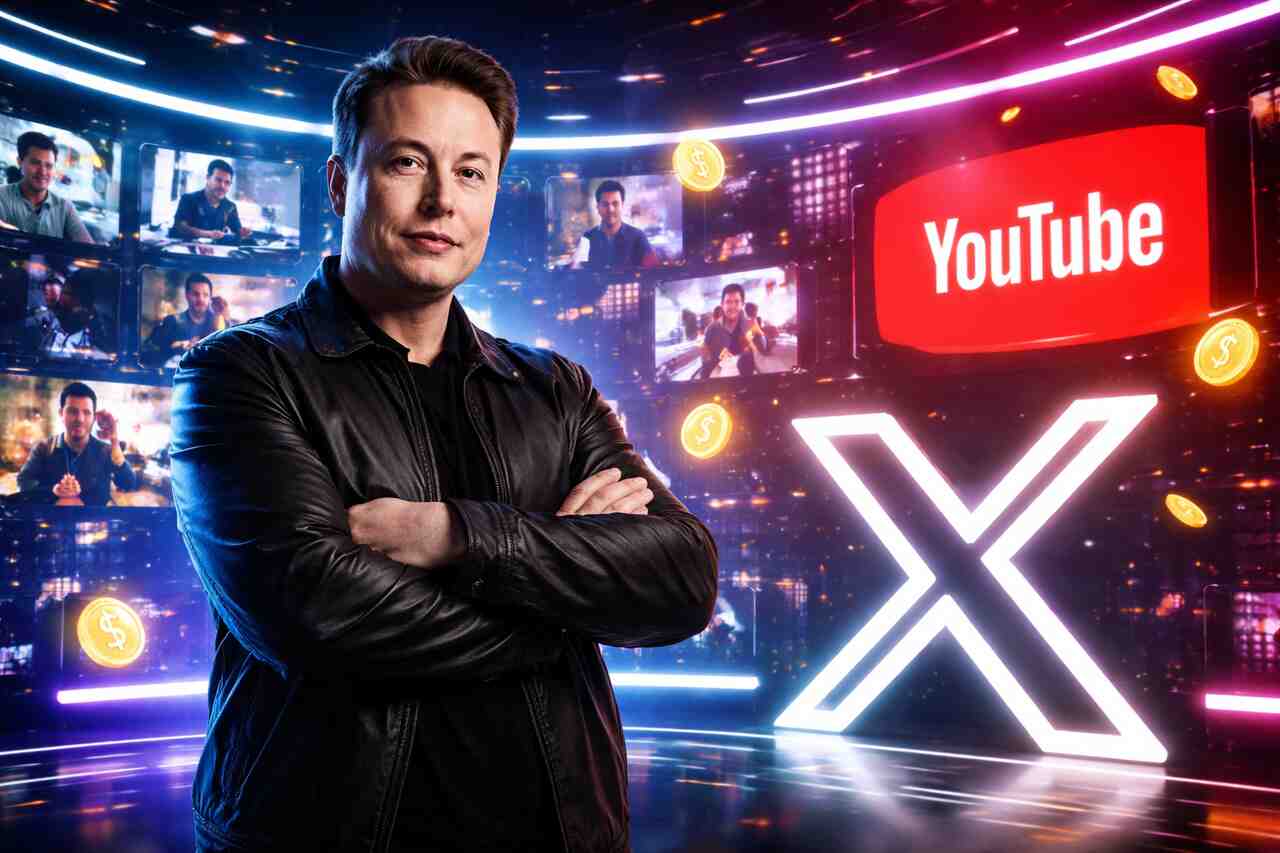
- X may soon surpass YouTube in terms of revenue share and creator payouts, intensifying competition in the creator economy.
- The platform is shifting toward long-form video, premium content, and ad revenue sharing as key levers for growth.
- Musk emphasized building sustainable income opportunities for creators through advertiser partnerships and subscription models.
- This move targets creators frustrated with YouTube’s monetization limits, offering higher revenue percentages and less restrictive policies.
- The announcement aligns with Musk’s goal of transforming X into an “everything app” a content, commerce, and social hub.
Why Is Elon Musk Increasing Creator Payouts on X?

Elon Musk has confirmed a significant strategic update for X (formerly Twitter) by announcing plans to increase content creator payouts, reinforcing the platform’s ambition to compete with and potentially surpass YouTube’s monetization ecosystem. This decision stems from a broader objective: to reshape X into a creator-first platform where value exchange between audience, creators, and advertisers is maximized.
How Will X’s Monetization Model Evolve?
X will integrate a more aggressive ad revenue sharing model, favoring creators with high engagement and long-form content. Revenue will derive from both subscription-based follower models and advertising impressions, similar to but less restrictive than YouTube’s system. Elon Musk stated that creators will keep a larger share of the revenue potentially exceeding YouTube’s typical 55% share model.
The system also includes performance-based bonuses, subscriber-only content, and brand sponsorship visibility, positioning X as a scalable source of income for digital creators.
What Role Does Long-Form Video Play in This Strategy?
Long-form video is central to X’s strategy to compete with YouTube. X now supports hour-long uploads for verified users, encouraging creators to host educational, entertainment, or commentary-based content directly on the platform.
The platform has also begun recommending videos algorithmically, improving content discovery, watch time, and engagement, which directly ties into advertiser value and creator payout potential. Integration with X Spaces and AI-generated video captioning will further enhance content accessibility and retention.
Which Creators Will Benefit the Most?
Mid to large-tier creators with established audiences, especially those in the fields of finance, tech, lifestyle, and entertainment, will see the highest benefit. Musk noted that controversial but high-traffic creators are also welcome signaling a more open monetization policy than YouTube’s, which often demonetizes sensitive topics.
Additionally, journalists, podcasters, and educational influencers are being courted by offering them tools like analytics dashboards, premium content paywalls, and priority in algorithmic ranking.
How Does This Threaten YouTube’s Dominance?
YouTube’s monetization structure, while mature, often faces criticism for high thresholds, content demonetization, and policy opacity. In contrast, Musk’s version offers more creator autonomy, transparent monetization mechanics, and greater platform flexibility.
The combination of higher revenue shares, less censorship, and fewer platform dependencies makes X an attractive alternative. YouTube’s dominance, especially in long-form video and live streaming, now faces credible disruption from a platform rapidly evolving beyond microblogging.
What Is the Long-Term Vision for X in the Creator Economy?
Musk envisions X as a fully-integrated “everything app”, combining social media, commerce, content creation, and financial transactions. The current push to enhance creator revenue aligns with larger plans to build a platform-wide ecosystem where creators can monetize influence, launch products, and run businesses without leaving the app.
