
Highlights
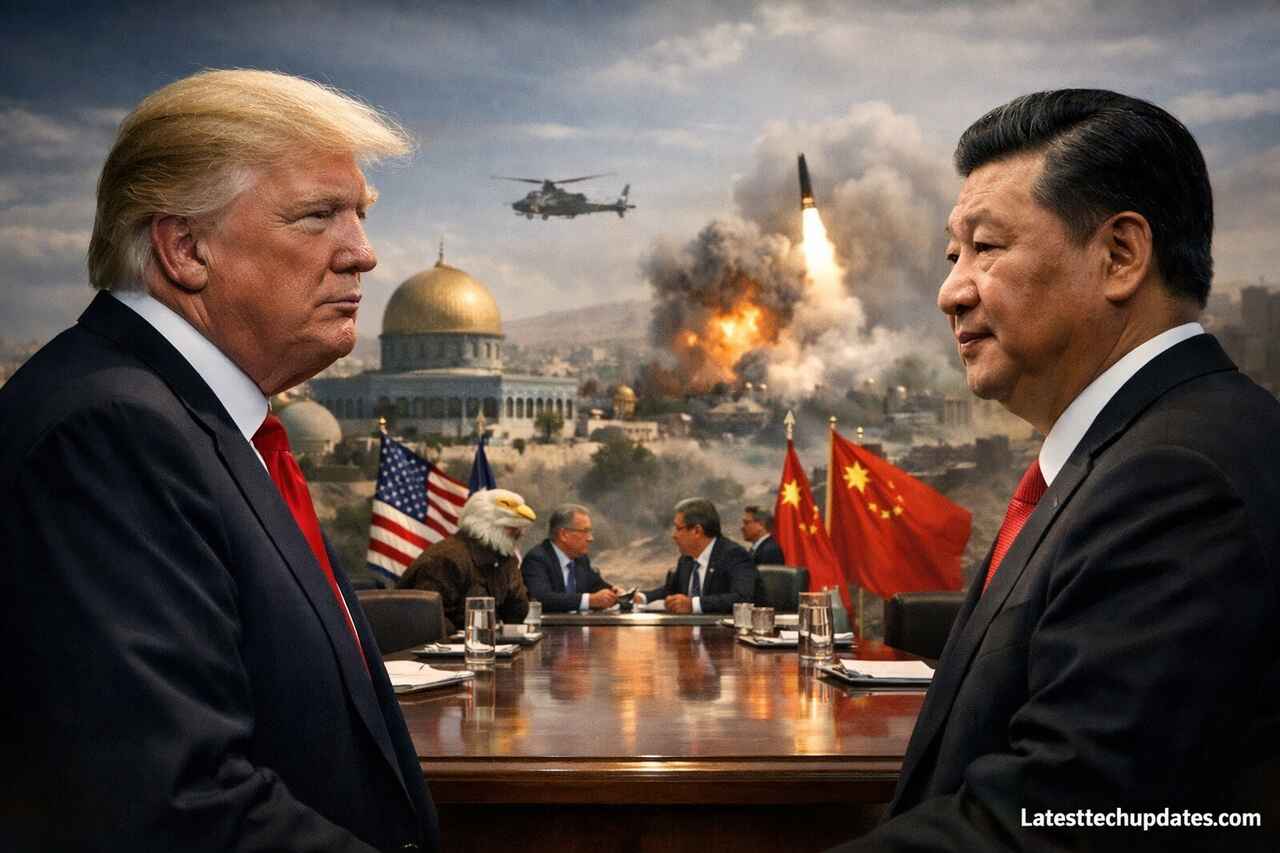
- Donald Trump schedules a diplomatic visit to China for May 14–15, 2026, to meet Xi Jinping after a delay caused by the Iran war 2026.
- Original travel plan shifts due to active United States involvement in Middle East military operations, which required leadership presence and strategic oversight.
- Rescheduled meeting signals a transition from war-focused decision making toward renewed global diplomacy and economic coordination.
- Trade relations between the United States and China remain a primary agenda item, especially supply chains, tariffs, and technology restrictions.
- Taiwan emerges as a sensitive discussion point, where military posture and sovereignty concerns continue to influence bilateral tension.
- China’s economic relationship with Iran positions Beijing as a potential mediator in the ongoing conflict, increasing the importance of this summit.
- Both leaders aim to stabilize global markets affected by oil price volatility and geopolitical uncertainty linked to the conflict.
Why is Donald Trump Visiting China in May 2026?
The planned visit by Donald Trump to China in May 2026 reflects a strategic diplomatic recalibration between the United States and Xi Jinping amid rising geopolitical tensions. The visit represents a high level engagement designed to stabilize bilateral relations strained by trade disputes, Taiwan tensions, and global security concerns.
Trade negotiations form a central sub-entity where both economies remain interconnected through agriculture exports, semiconductor supply chains, and aviation manufacturing. Economic interdependence increases urgency for dialogue as global markets react to conflict-driven volatility. Diplomatic signaling acts as another sub-entity where ceremonial engagements reinforce leadership optics while backchannel negotiations address tariffs, export controls, and regulatory barriers.
Security dialogue emerges as a third sub-entity focusing on Taiwan policy, military positioning in the Indo-Pacific, and defense coordination. Increased United States support for Taiwan elevates tension with Beijing, which creates a need for direct communication between leadership. Global leadership positioning functions as a fourth sub-entity where Washington aims to reinforce influence while Beijing seeks recognition as a stabilizing force in international affairs.
How Did the 2026 Iran War 2026 Delay the China Visit?
The ongoing Iran war 2026 altered diplomatic timelines by forcing Washington to prioritize military command and crisis management over international travel. The original schedule shifted because executive leadership remained focused on operational decisions and conflict monitoring.
Military engagement forms a primary sub-entity where United States forces operate in the Middle East to secure maritime routes and counter regional threats. Diplomatic bandwidth becomes a second sub-entity as negotiations involving Iran require continuous attention from senior leadership.
Energy market disruption represents another sub-entity as oil price volatility influences inflation, trade balances, and economic forecasting. Economic pressure connects directly with United States and China relations because China maintains strong energy ties with Iran. Strategic timing functions as a fourth sub-entity where rescheduling signals a transition phase from active conflict toward potential diplomatic engagement.
What Key Issues Will Dominate the Trump–xi Talks?
Trade stabilization stands as the central issue as both nations attempt to preserve a fragile economic balance. Agricultural exports, technology access, and supply chain resilience define negotiation priorities between the United States and China.
Taiwan policy emerges as a second dominant issue where sovereignty concerns and defense commitments create geopolitical friction. Military signaling increases risk, which makes leadership dialogue essential for preventing escalation.
Middle East diplomacy acts as a third issue as Washington encourages Beijing to influence Iran through economic leverage. China’s position as a major energy partner provides diplomatic weight in shaping conflict outcomes.
Reciprocal diplomacy represents a fourth issue as future visits and continued dialogue establish continuity in negotiations. Leadership exchanges strengthen institutional communication channels and ensure policy follow through.
What Global Implications Does the Summit Carry for Geopolitics and Economy?
The summit reflects a shift toward multipolar diplomacy where engagement between the United States and China influences global stability across trade, security, and energy systems. Interaction between Donald Trump and Xi Jinping shapes international expectations and policy direction.
Economic stabilization forms a key implication as reduced tension between major economies improves investor confidence and market predictability. Financial systems respond positively to diplomatic engagement during periods of conflict driven uncertainty.
Conflict mediation potential acts as another implication where China’s influence over Iran may contribute to de-escalation pathways. Diplomatic coordination increases the likelihood of negotiated outcomes instead of prolonged military confrontation.
Geostrategic alignment represents the final implication as the summit may redefine alliances, trade partnerships, and regional security frameworks. The interaction connects Indo-Pacific dynamics with Middle East developments, reinforcing the importance of leadership level diplomacy in managing interconnected global crises.
