
Highlights
- A new AI marketing tool can now generate full campaigns from only a few short prompts
- You will learn step-by-step how to set up, customize, refine, and deploy AI-built campaigns
- You will understand the strategic value, creative potential, and limitations of this technology
- I will share my personal experience using these tools, what actually works, and what to avoid
- You will receive detailed comparisons and structured insights through two helpful tables
- Ends with a conclusion and an FAQ section for clarity
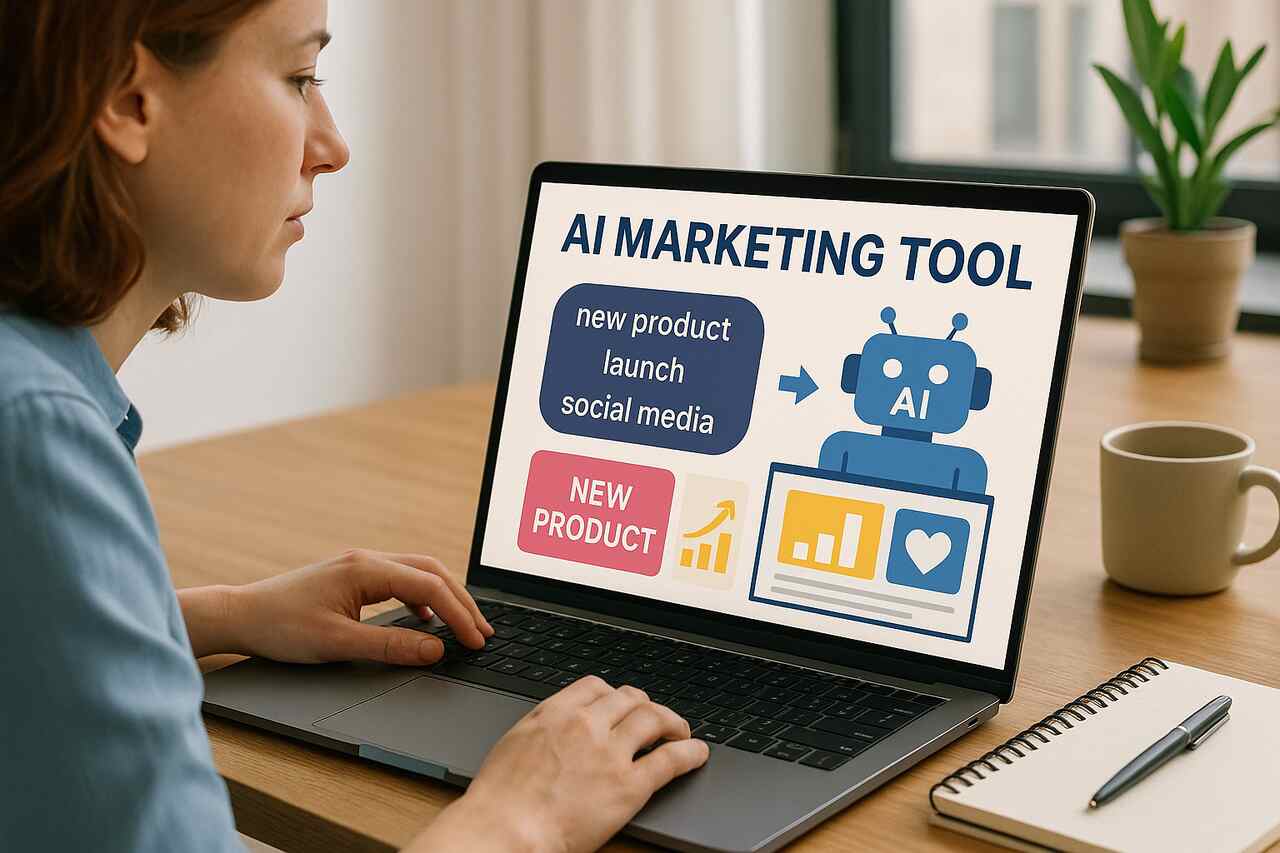
Artificial intelligence has reached a point where launching a marketing campaign no longer requires weeks of planning, writing, designing, and testing. A new generation of AI tools can take a short prompt and transform it into a complete campaign that includes messaging, visuals, audience targeting, email sequences, ad variations, and performance ideas. In my own experience using these tools, the speed and accuracy surprised me because I expected generic content, but instead I received material that looked polished, strategic, and extremely aligned with customer behavior. This article will guide you through every major step so you can use these tools efficiently and confidently.
Define Your Core Campaign Goal Before Generating Prompts
When you use an AI marketing tool that builds campaigns from small prompts, the first step is choosing a clear campaign goal. The tool will shape every message, asset, and visual based on the objective you select. From my own experience, vague goals lead to weak campaign outputs, while precise goals result in incredibly accurate material.
A well-defined goal also determines what type of prompt you should feed into the system. Whether you want higher brand awareness, product sales, or webinar registrations, your chosen direction lets the tool generate messaging that aligns with actual business needs. This is especially important if you plan to scale the campaign across multiple platforms because each space may require its own approach.
Taking the time to identify a goal helps avoid the common mistake of producing content that looks good but does not achieve measurable results. A good rule I follow is to think about the final action I want people to take and then reverse-engineer the prompt so the tool understands the outcome I want.
Choose a Specific and Measurable Objective
When defining the campaign objective, select something tangible. For example, increase email subscribers by 20 percent, sell out a new digital product, or gather 50 qualified leads. AI performs best when provided with numbers, timelines, and outcomes rather than broad ideas.
Match the Objective With the Correct Prompt Style
Different goals require different prompt structures. For example, a sales campaign needs emotional triggers, while a brand-awareness campaign requires storytelling and repetition. Aligning the goal with the prompt style ensures that the AI creates material that feels unified and purposeful.
Prepare Strategic Prompts That Guide the AI Tool Clearly
The AI tool can only generate strong campaign material if your prompt includes the essential details. After testing dozens of platforms myself, I found that the most effective prompts include product information, audience details, tone preferences, and the campaign’s desired action.
A detailed prompt helps the tool build a cohesive marketing structure that spans social media, email, ads, and landing pages. Without this clarity, the campaign feels scattered or inconsistent. This step will save time later because fewer revisions are needed when the AI understands the full picture upfront.
Crafting the right prompt also strengthens the AI’s ability to write persuasive messaging. The tool interprets the emotional tone, urgency level, and context you describe. Adding these elements gives your campaign a human-like quality that resonates with audiences.
Include Clear Descriptions of the Product or Offer
Provide the AI with details such as features, benefits, problems solved, and unique advantages. The campaign material becomes far more accurate when the tool knows what you are selling.
Specify the Voice, Style, and Target Audience
Define whether the campaign should feel friendly, bold, professional, or humorous. Also include age groups, interests, or industries. This information helps the AI create messages that feel personalized and relevant.
Generate the Full Campaign Structure Using the AI Tool
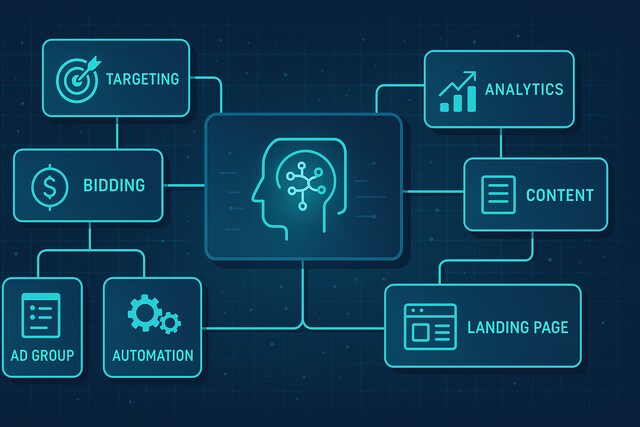
After preparing a strong prompt, the tool can produce a complete marketing campaign. In my experience, the first output is surprisingly strong but still needs fine tuning. The AI typically generates social posts, ad variations, email sequences, content ideas, visuals, and a suggested timeline.
This step brings everything together and gives you a clear preview of how the campaign will appear in practical use. The tool connects messaging across platforms so the campaign remains consistent. It also offers multiple variations, allowing you to select the strongest pieces.
The generated structure is also helpful for planning your workflow. Instead of creating everything manually, you now have an entire blueprint that shows what to produce, when to publish, and how to maintain cohesion across marketing channels.
Review the Output for Tone and Message Alignment
Check whether the voice matches your brand personality. If something feels off, adjust the settings or prompt until the messaging reflects the tone you want.
Select the Best Variations Across Channels
AI tools often generate many variations. Choose the ones that feel most compelling and discard weaker versions. This improves the final campaign quality before launch.
Customize Each Campaign Component for Maximum Impact
Even though the AI creates a complete campaign, customization is necessary. I found that the best results come from pairing AI creativity with human strategy. The AI provides a strong base, but small edits turn good campaigns into great ones.
Customizing each component ensures that every message or visual reflects your unique brand identity. This includes adjusting headlines, rewriting call-to-action sentences, adding brand-specific visuals, and adapting content to platform rules.
Refining the campaign also ensures accuracy and removes generic wording. This helps build trust with your audience because the messaging feels authentic rather than automated.
Personalize Text to Match Brand Values
Rewrite or adjust parts of the AI-generated content to highlight your brand’s values, personality, and communication style. This can significantly improve engagement.
Adapt Visual Elements to Fit Your Design Guidelines
Use brand colors, logos, and preferred image styles so the campaign feels unified visually. AI images can be impressive, but they often require manual adjustments.
Set Up Tracking and Performance Monitoring Before Launch
Before launching the campaign, it is crucial to prepare your tracking systems. AI can generate campaign material, but tracking performance requires proper setup across platforms. When I first used AI for campaigns, I made the mistake of launching before establishing measurement tools, and it became difficult to understand what worked.
Setting up tracking ensures you know which messages drive results. It also helps you scale successful parts of the campaign while removing pieces that underperform. Proper tracking also offers insight into customer behavior and engagement patterns.
Once tracking is in place, your campaign becomes a learning system. The gathered data will improve future prompts and help the AI deliver even better content.
Install Analytics Tools Across All Platforms
Use analytics software, tracking pixels, or built-in platform tools. This allows you to measure impressions, clicks, conversions, and overall engagement.
Define Key Metrics for Each Campaign Goal
Every campaign should focus on specific metrics such as cost per lead, open rates, click rates, or sales. These numbers help you evaluate success accurately.
Key Metrics Compared With Campaign Objectives
| Campaign Type | Primary Metric | Secondary Metric | Typical Timeframe |
| Sales Campaign | Purchase rate | Cart visits | 7 to 14 days |
| Lead Generation | Sign-up rate | Email opens | 10 to 30 days |
| Brand Awareness | Impressions | Engagement rate | 30 to 60 days |
| Event Promotion | Registrations | Attendance rate | 14 to 40 days |
Launch Your Campaign and Optimize Using Real-Time Feedback
Launching the campaign is only the beginning. AI tools can continue supporting you by generating improved versions of ads, emails, and posts based on performance data. I often upload my metrics back into the AI system to ask for better headlines or stronger call-to-action ideas.
Real-time optimization ensures you do not waste money or time on underperforming messages. Instead, you refine the campaign while it is running. This level of adaptability was almost impossible before AI tools became widely available.
Continuous optimization also gives you new creative angles. When a certain message pattern performs well, you can replicate it across platforms. When something fails, you can correct it quickly without waiting for the campaign to end.
Adjust Weak Performing Assets Immediately
Replace or rework any content that shows low engagement or conversions. AI can help generate alternatives instantly.
Reuse Winning Elements Across Other Channels
If a headline works exceptionally well in an ad, consider using it in email subject lines or social posts to maintain momentum.
Scale the Campaign Into Multiple Formats and Long-Term Strategies
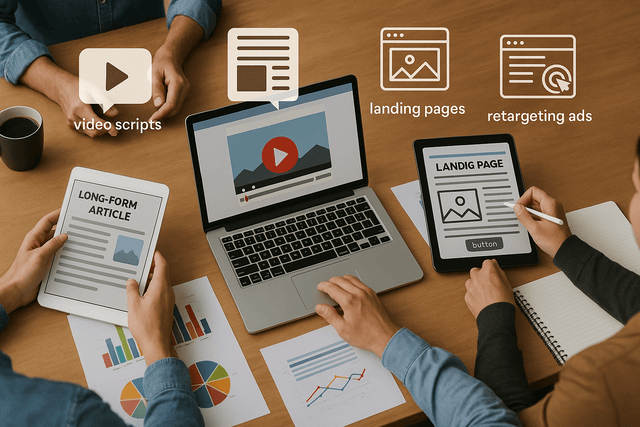
Once the initial campaign proves successful, scaling becomes easier. AI tools can transform the campaign into additional formats such as video scripts, long-form articles, landing pages, or retargeting ads. Based on my experience, this step helps businesses expand reach while reducing workload
Scaling also helps maintain consistent messaging across months instead of days. You can turn a single prompt into an entire content ecosystem. This is ideal for product launches, seasonal promotions, or ongoing brand building.
The ability to scale quickly also opens opportunities for experimentation. You can test new audiences, platforms, and creative directions without starting from scratch each time.
Repurpose Content for Different Media Types
Turn social posts into videos, emails into blog posts, or ads into carousel content. This increases the campaign’s lifespan and versatility.
Build Long-Term Nurture Sequences
Use the AI tool to create extended email sequences or recurring engagement posts that keep the audience warm long after the initial campaign.
Examples of Repurposed Content Formats
| Original Content | Repurposed Format | New Use Case |
| Ad copy | Video script | Short promotional videos |
| Social post | Email introduction | Stronger engagement in newsletters |
| Product description | Blog article section | Long-form SEO content |
| Headline variation | Landing page header | Conversion optimization |
Conclusion
AI marketing tools have revolutionized how campaigns are created. With only a few simple prompts, you can produce complete multi-channel campaigns that previously required days of manual work. Throughout this article, I shared the practical steps, strategies, and lessons I learned while using these tools in real campaigns. The key to success is providing clear prompts, customizing the output, tracking performance, and using real-time optimization to refine results. When used correctly, this technology can help you achieve faster, more consistent, and more effective marketing outcomes.
FAQ’s
1. Can an AI tool really create a full campaign from only a few prompts?
Yes. Most modern AI marketing platforms can generate ads, emails, visuals, and strategies from short instructions.
2. Do I still need to edit the AI-generated content
Yes. Editing improves accuracy and ensures the campaign reflects your brand identity.
3. How long does it take to build a campaign with AI?
Usually less than an hour once your prompts and goals are prepared.
4. Will AI replace human marketers?
AI enhances marketing efforts but still requires human creativity, judgment, and personalization.
5. Can AI help optimize a campaign after launch?
Absolutely. AI can generate improved versions of ads, emails, and posts based on performance data.
6. Do these tools work for small businesses?
Yes. Smaller businesses benefit greatly because AI reduces costs and time commitments.
