
Highlights
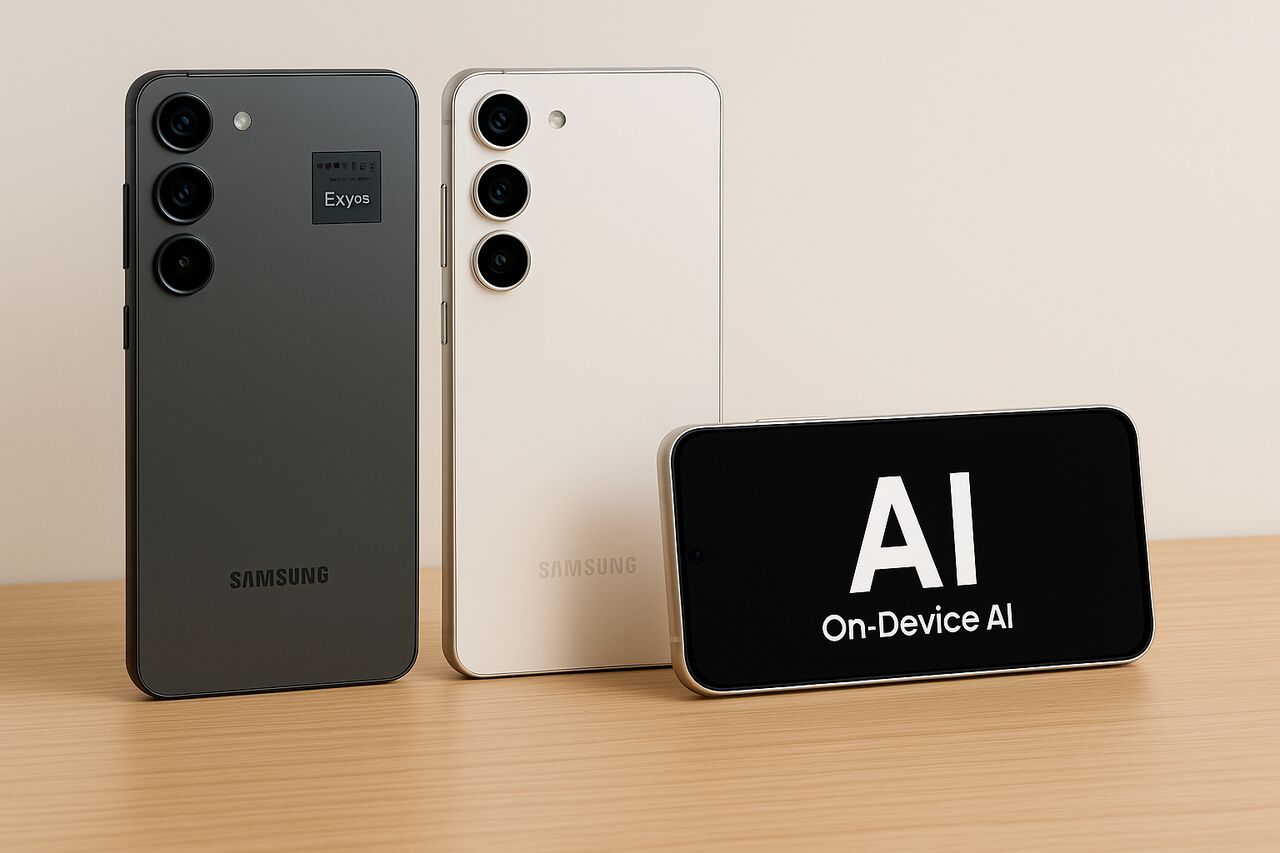
- Galaxy S26 Ultra and S26+ to feature Samsung’s custom Exynos 2500 chip with enhanced on-device AI processing.
- Samsung introduces “Galaxy AI 2.0”, optimized for offline generative AI tasks, improving privacy, latency, and battery performance.
- Snapdragon 8 Gen 4 will still power some regional Galaxy S26 variants, maintaining dual-chip strategy.
- Improved LPDDR6 RAM and UFS 4.1 storage will optimize AI model efficiency and data throughput.
- Leak indicates Samsung aims to close the performance gap with Apple’s A-series chips and Google’s Tensor G4.
What Core Technologies Are Expected in the Samsung Galaxy S26 Series?
How Will the Custom Exynos 2500 Chip Enhance On-Device AI?
The Exynos 2500 will feature a dedicated NPU (Neural Processing Unit) designed specifically for LLM inference, text-to-image generation, and voice-to-command tasks processed locally on the device. This marks a strategic shift toward offline AI capability, aligning with growing concerns around data privacy and real-time performance.
The chip also integrates AMOLED display optimization logic, thermal balance algorithms, and a power-aware scheduler, optimizing AI execution without throttling GPU or CPU resources.
What Is “Galaxy AI 2.0” and How Is It Different from Competitors?
“Galaxy AI 2.0” refers to Samsung’s proprietary AI stack integrated into One UI, enabling contextual image editing, AI summarization, live translation, and intelligent camera tuning. Unlike cloud-based AI, the system leverages on-device LLMs, possibly fine-tuned with LoRA adapters, to offer faster and private experiences.
Semantic reasoning tasks like identifying intent from messages or suggesting smart replies will be executed via task-specific transformer modules embedded directly in firmware.
How Does the Memory Architecture Complement AI Workloads?
Samsung pairs the S26 series with LPDDR6 DRAM and UFS 4.1 storage, forming a high-throughput data pipeline optimized for low-latency AI model access. The increased memory bandwidth allows real-time multi-modal AI performance processing images, voice, and context simultaneously without cloud dependency.
Semantic embeddings, attention maps, and cached inference results can now reside in memory, enabling persistent contextual awareness across applications.
Which Regions Will Still Use Snapdragon 8 Gen 4 in the S26 Series?
While the global S26 Ultra may debut with Exynos, North American and Chinese markets are expected to retain the Snapdragon 8 Gen 4, given Qualcomm’s better GPU performance and developer support in those regions.
Samsung’s dual-chip strategy remains based on regional component supply chains, thermal performance trends, and modem compatibility for mmWave and Sub-6GHz 5G bands.
What Strategic Advantages Does Samsung Gain Through This AI-First Hardware Direction?
How Will On-Device AI Improve User Experience?
Processing AI tasks on-device reduces network latency, enhances privacy, and provides instantaneous results, especially in low-connectivity environments. This is crucial for real-time functions like live transcription, AI camera adjustments, and AR rendering.
Why Is Privacy a Core Value in On-Device AI?
By embedding generative models directly onto the device, Samsung avoids transferring user data to external servers, aligning with rising global regulations like GDPR, HIPAA, and Digital Markets Act. This setup ensures personal data like facial maps, voice patterns, and typed queries never leave the device ecosystem.
What Kind of AI Tasks Will Be Offloaded to the Edge?
Edge AI models will handle semantic search queries, image background replacements, gesture recognition, and routine prediction algorithms. Such distribution balances power efficiency and computational load, enabling a consistent, personalized interface across apps like Samsung Notes, Gallery, and Bixby.
How Will Samsung’s AI Play Compete Against Apple and Google?
Samsung positions itself to challenge Apple’s Neural Engine and Google’s Tensor G4, especially in the race to deliver private, on-device AI experiences. The integration of AI into hardware, memory, and software reflects a vertical optimization similar to Apple’s approach but with Samsung’s added advantage in component control.
When Is the Galaxy S26 Series Expected to Launch?
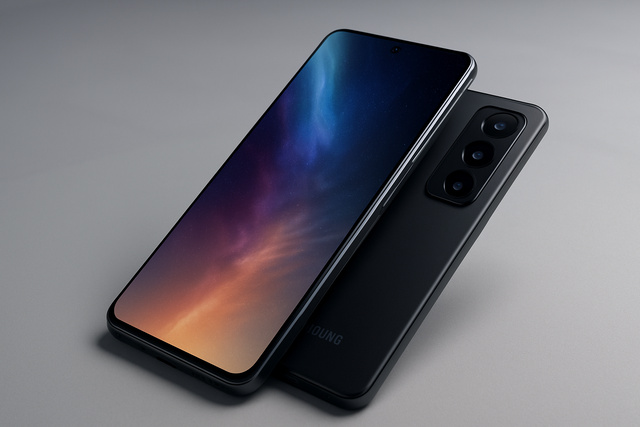
Samsung is projected to launch the Galaxy S26 series in Q1 2026, likely during the February Unpacked Event, consistent with past release cycles. The devices are already in pre-production engineering verification, suggesting a finalized hardware configuration.
Early benchmarks are expected in January 2026, ahead of Mobile World Congress, where Samsung could demonstrate AI performance in real-time scenarios.
