
Highlights
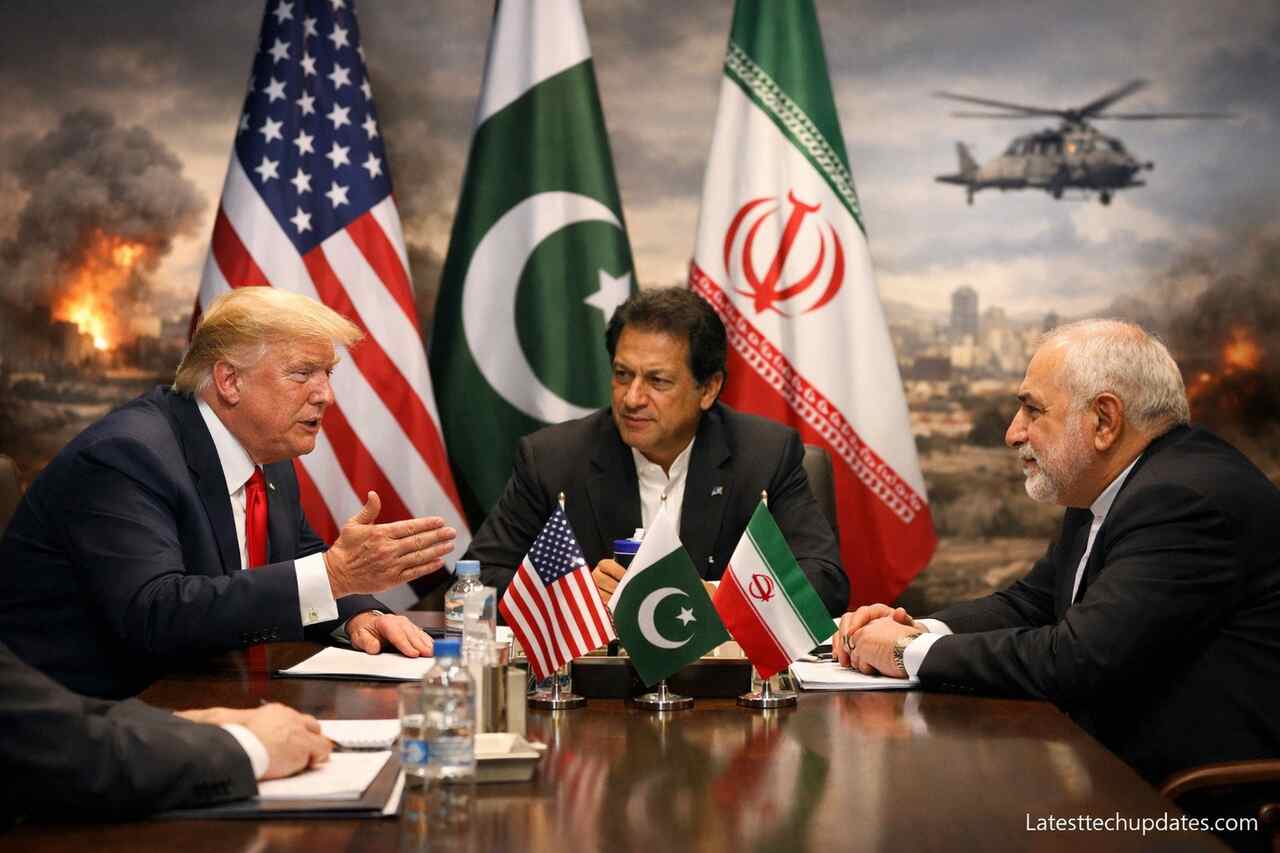
- Trump Signals Deal Confidence: Donald Trump expresses strong optimism about reaching an agreement with Iran, using strategic messaging to influence negotiation momentum and global perception.
- Contradictory Diplomatic Narratives: United States promotes progress toward peace, while Iran publicly rejects proposals, creating a gap between perception and reality in negotiations.
- Pakistan as a Strategic Mediator: Pakistan positions itself as a neutral facilitator, leveraging geographic proximity and diplomatic ties to act as a communication bridge between conflicting powers.
- Backchannel Diplomacy in Motion: Indirect negotiations through intermediaries allow message exchange without formal talks, reducing political risk while keeping dialogue channels open.
- Major Barriers to Peace: Deep-rooted mistrust, conflicting strategic goals, and ongoing military escalation continue to block meaningful diplomatic breakthroughs.
- Economic Pressure Driving Urgency: Rising global energy concerns and market instability increase incentives for all parties to consider negotiation over prolonged conflict.
- Multilateral Mediation Landscape: Regional actors beyond Pakistan contribute to a broader diplomatic ecosystem, improving the probability of eventual dialogue alignment.
- Diplomacy Depends on De-escalation: Sustainable peace requires reduced military activity and consistent political messaging to build trust and enable real negotiations.
What Does Trump’s Confidence in an Iran Deal Indicate?
Donald Trump’s assertion of being “pretty sure” about securing a deal with Iran reflects a calculated diplomatic posture that blends optimism with strategic pressure. Public confidence serves as a negotiation instrument, shaping global perception while signaling strength to adversaries. Diplomatic signaling influences financial markets, geopolitical alliances, and internal political narratives simultaneously.
Strategic messaging from Trump aligns with coercive diplomacy, where military threats and economic sanctions function as leverage. Military pressure enhances negotiation urgency, while public optimism reduces panic among allies. Communication between the United States and Iran continues through indirect channels, which creates ambiguity around actual progress.
Iranian leadership maintains a contrasting narrative by rejecting negotiation claims and labeling proposals as unrealistic. Divergence between American optimism and Iranian skepticism highlights a communication gap that complicates diplomatic clarity. Such contradiction suggests that Trump’s confidence represents a tactical narrative rather than a confirmed agreement framework.
Why Is Pakistan Emerging as a Diplomatic Mediator?
Pakistan’s role as a mediator originates from geographic proximity, diplomatic positioning, and historical engagement with both Western and regional powers. Geographic alignment with Iran increases strategic relevance, while diplomatic ties with the United States enhance credibility as a communication bridge.
Backchannel diplomacy defines Pakistan’s involvement, where unofficial communication enables message exchange without formal negotiations. Such indirect dialogue allows both parties to test proposals without public commitment. Diplomatic neutrality strengthens Pakistan’s acceptance among conflicting sides, as neutrality reduces suspicion of bias.
Islamabad’s offer to host negotiations positions Pakistan as a regional diplomatic hub. Hosting peace talks elevates Pakistan’s global diplomatic profile while contributing to conflict resolution efforts. Regional actors often prefer neutral venues, and Pakistan’s involvement mirrors mediation roles previously played by Gulf states.
What Obstacles Are Preventing Successful Mediation?
Structural mistrust between the United States and Iran remains the primary barrier to successful mediation. Historical tensions, sanctions, and ideological differences reduce willingness to compromise. Trust deficit limits acceptance of third-party proposals, even when mediation frameworks appear balanced.
Conflicting strategic objectives further complicate negotiations. The United States prioritizes nuclear restrictions and regional security adjustments, while Iran demands sovereignty guarantees and sanctions relief. Misalignment between these objectives creates negotiation deadlock.
Ongoing military escalation significantly weakens diplomatic momentum. Missile strikes, proxy conflicts, and regional instability increase risk perception and reduce negotiation willingness. Active conflict environments rarely support sustained diplomatic progress.
Credibility issues surrounding political messaging also hinder mediation success. Inconsistent signals ranging from threats to conciliatory statements create uncertainty. Iranian leadership interprets fluctuating rhetoric as unreliable, reducing trust in negotiation commitments.
Can Diplomacy Still Resolve the Conflict?
Diplomatic resolution remains achievable under specific conditions that align incentives and reduce escalation. Historical patterns demonstrate that indirect negotiations often succeed when economic and military pressures converge toward mutual exhaustion.
Global economic implications, particularly rising energy prices, create shared incentives for de-escalation. Economic instability affects both regional and global stakeholders, increasing pressure for peaceful resolution. Financial consequences often accelerate diplomatic engagement.
Multilateral mediation frameworks improve success probability by distributing diplomatic responsibility across multiple actors. Pakistan, alongside other regional players, contributes to a broader negotiation ecosystem that enhances dialogue continuity.
Sustainable diplomatic success requires synchronized de-escalation measures. Reduction in military activity builds trust and enables meaningful negotiation progress. Without such alignment, diplomatic initiatives risk remaining symbolic rather than transformative.
Conclusion
Trump’s confidence reflects a strategic communication approach designed to influence negotiation dynamics rather than confirm a finalized agreement. Pakistan’s mediation highlights evolving geopolitical roles, yet deep-rooted mistrust and ongoing conflict limit immediate breakthroughs. Diplomatic success depends on aligning political will, reducing military escalation, and establishing credible negotiation frameworks across all involved stakeholders.
