
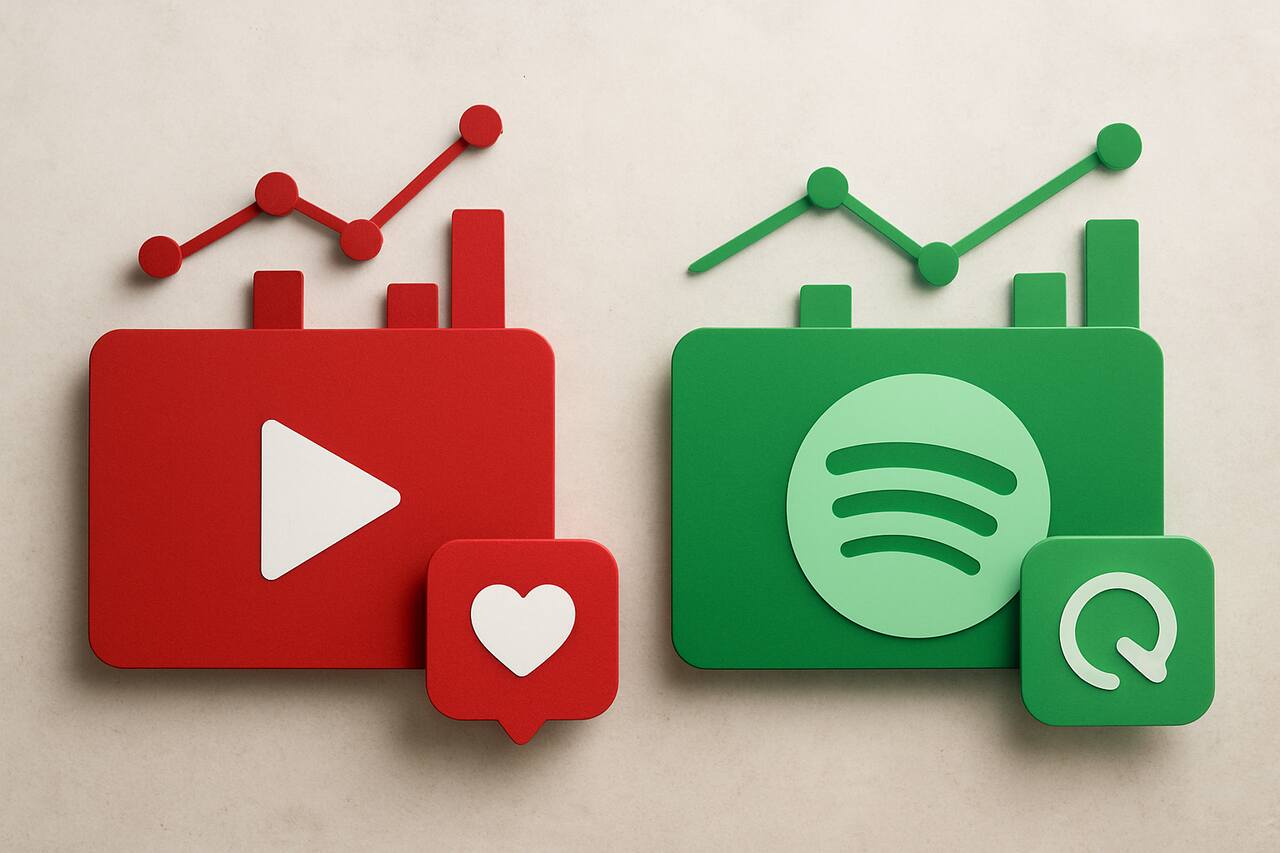
As the year draws to a close, music lovers and social media enthusiasts eagerly anticipate the release of Spotify Wrapped, the popular year-in-review feature that reveals users’ listening habits over the past 12 months. The feature has become an annual tradition, widely shared across platforms, generating millions of posts, memes, and conversations. However, this year, YouTube’s attempt to compete with Spotify’s success with their own “YouTube Recap” has faced a noticeable backlash, leaving many to question why it failed to capture the same level of excitement.
The Popularity of Spotify Wrapped
Spotify Wrapped has become a cultural touchstone. Each December, the music streaming platform offers users a personalized summary of their listening habits, including top songs, favorite artists, and total minutes spent listening to music. The feature is visually engaging, with colorful graphics and easy-to-share stats, making it highly shareable across social media. Spotify Wrapped has fostered a sense of community, with users comparing their results, celebrating their most-listened-to artists, and even discovering new trends.
The feature taps into the growing culture of personalized content, where people want to see an individualized reflection of their year, and Spotify Wrapped delivers just that. The emotional connection many users have with their favorite songs and artists throughout the year gives Wrapped a personal significance, making the feature not only fun but also meaningful.
YouTube Recap’s Struggles
In contrast, YouTube Recap’s rollout this year has been met with confusion and disappointment. Unlike Spotify Wrapped, which is centered around music and offers a variety of easily digestible and visually appealing insights, YouTube’s version is far more limited in its scope. Many users found the recap to be too basic, featuring only a list of the most-watched videos, with limited context or interaction. Additionally, the lack of personalization was a major drawback for many users. Unlike Spotify Wrapped’s ability to highlight specific genres, artists, or listening milestones, YouTube Recap fell short in providing meaningful reflections of each user’s unique viewing habits.
The YouTube Recap also lacked the viral appeal that Spotify Wrapped has managed to create. Wrapped’s success isn’t just about the numbers it’s about how easily shareable and relatable the results are. Wrapped has become a social event where users compare their top artists, share their playlists, and even post humorous takes on their results. YouTube Recap, on the other hand, was not nearly as easily shareable, and its presentation lacked the same level of excitement.
Furthermore, the perception that YouTube’s content is more spread out and diverse ranging from educational videos and vlogs to music videos and tutorials may have made it more difficult for users to feel a sense of “identity” with the Recap. With Spotify, there’s a clear and consistent focus on music, which makes it easier to create a narrative around personal listening habits. YouTube, however, is more varied, which could make it harder for users to connect emotionally with the feature.
Platform Differences: Why It Matters
The inherent differences between the platforms also play a significant role. Spotify is a dedicated music service, and users are deeply invested in their music libraries, playlists, and favorite artists. Music listening habits are often emotionally charged, making it easier for users to engage with the Wrapped experience.
YouTube, in contrast, is a broader platform where users consume a wide variety of content often for different purposes. It’s not just for entertainment; it’s also used for learning, work, or even relaxing. As such, the diverse nature of content on YouTube makes it more difficult to generate a unified, exciting experience for all users.
Lessons to Learn
While YouTube Recap may have missed the mark this year, the success of Spotify Wrapped continues to highlight the power of personalization, shareability, and emotional connection in creating viral content. For YouTube, there’s a valuable lesson in understanding how to create a more personalized and engaging recap experience that resonates with users in a way that feels unique to the platform’s diverse content.
Ultimately, the rise of Spotify Wrapped and the struggle of YouTube Recap underscores the growing importance of creating experiences that not only provide data but also make users feel seen and heard. For platforms looking to engage their user base, the key lies in offering something more than just numbers: it’s about crafting an experience that taps into user emotions and encourages social sharing.
As we look ahead to next year, both platforms have the opportunity to learn from one another and refine their offerings whether that means reimagining YouTube Recap or continuing to build on the magic of Spotify Wrapped. Either way, personalized content and social sharing will likely continue to shape the future of digital experiences.
