
Highlights
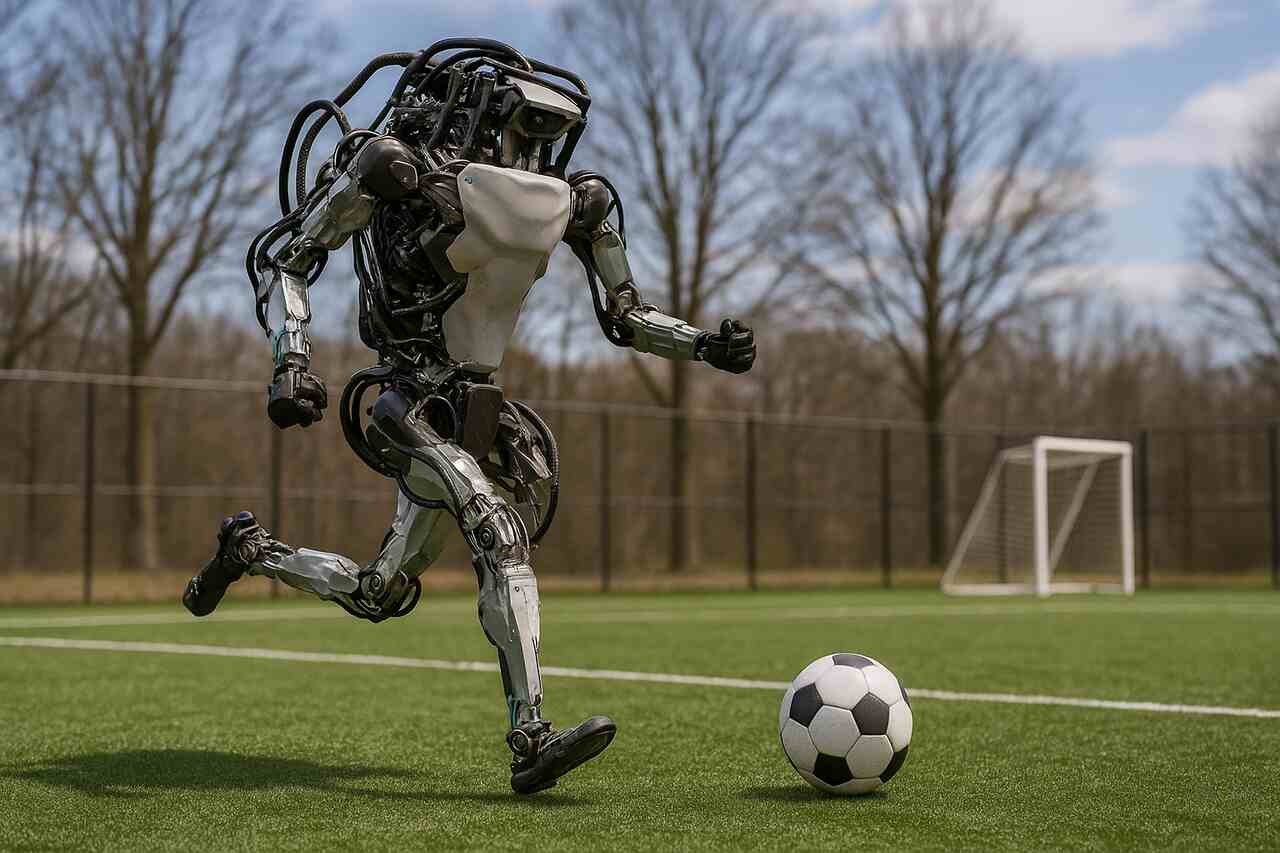
- Rapid advancements now allow robots to run, kick, and perform human-like athletic motions with precision and balance.
- These abilities raise new questions about safety, ethics, employment, and long-term societal impact.
- I share my own observations and experiences while explaining how these systems work and what their evolution means for everyday life.
- Seven structured, actionable sections guide the reader through understanding development, evaluating risks, preparing for change, and shaping responsible adoption.
- Clear comparisons and tables help define capabilities, limitations, and future pathways.
Introduction
When I first watched a robot sprint across uneven ground and then deliver a powerful kick to a stationary object, I felt both awe and concern. It reminded me of how quickly technology transforms once concepts become prototypes and prototypes become real machines in real environments. You may be asking the same question I did: is this the future we truly wanted, or just the future that emerged because innovation never slows down? In this article, I will walk you through how robots became capable of running and kicking with such precision, the impact these advancements will have, and what steps we can take to guide this progress toward a beneficial outcome for society.
Understand How Robots Learned to Run and Kick
Robots did not suddenly wake up with athletic skills. Years of iterative engineering allowed them to control weight distribution, shift momentum, and adapt their motion to unpredictable terrain. As I observed during demonstrations, the key turning point was when robots began adjusting movement in real time rather than relying on rigid pre-programmed steps. Running and kicking became possible because motion fluidity replaced mechanical repetition.
Developers rely heavily on algorithms that coordinate movement between joints. These systems analyze force, posture, and balance to produce a motion that looks surprisingly natural. What appears simple, such as lifting a leg or accelerating forward, requires advanced processing to prevent falls or energy loss. When I first learned how these calculations worked, I realized that the elegance of the movement hides the complexity beneath.
Once robots reached this level of control, the broader implications became clear. A machine that can run and kick can also navigate large facilities, handle physical tasks, and interact dynamically with its surroundings. This shift expands the potential uses for robotics but also deepens the debate about how far we should push these developments.
Key Movement Capabilities
- Dynamic balance for uneven surfaces
- Force calculation for precise kicking
- Adaptive stride adjustments
Factors Enabling Movement
- Faster sensor processing
- Stronger lightweight materials
- Improved joint motors
Evaluate the Motivations Behind Athletic Robots
When I spoke with specialists in the field, they explained that the goal was not to build intimidating machines but to create capable assistants that move more naturally in human environments. To function effectively in busy workplaces or emergency zones, robots must move quickly, shift direction, and interact with objects in ways similar to humans. Running and kicking therefore serve a practical purpose rather than an aesthetic one.
The motivations also extend to industrial efficiency. Robots that move fluidly can support warehouses, hospitals, and rescue operations with fewer limitations. This adaptability reduces performance gaps between mechanical systems and human workers. From my perspective, although the intent appears productive, it still prompts important questions about the boundary between helpful automation and excessive replication of human capabilities.
Public reaction has increasingly shaped the conversation. Some people celebrate the progress while others worry that machines might eventually surpass physical abilities previously exclusive to humans. This emotional divide shows why motivations must be communicated clearly and thoughtfully.
Primary Development Drivers
- Need for mobility in complex spaces
- Growth of automation in logistics
- Advances in emergency-response tools
Concerns Tied to Motivations
- Misinterpretation of purpose
- Fear of overautomation
- Cultural resistance
Identify the Risks That Come With High-Mobility Robots
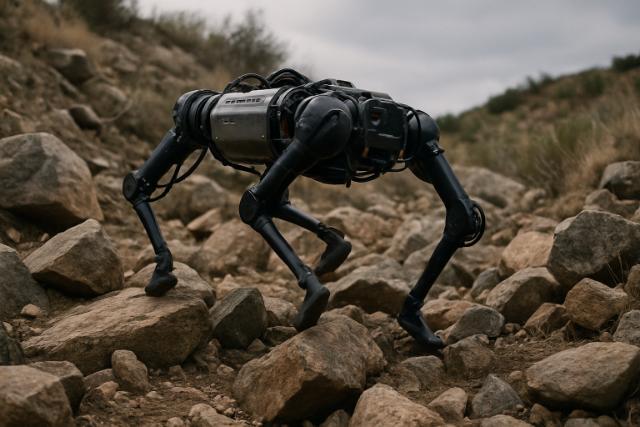
While I watched one robot kick a heavy object across a room during a demonstration, I could not ignore the potential consequences if such force were misdirected. As robots gain strength and speed, risk management becomes essential. A machine capable of dynamic motion must follow strict operational guidelines so it does not harm people, property, or itself.
The primary risks involve malfunction, misuse, and unexpected behavior. Systems may misread sensor input or react improperly when encountering new obstacles. Even though engineers work to prevent these issues, the increased complexity introduces more potential failure points. This is why industries require layered safety protocols and continuous monitoring.
The broader risk lies in public unease. A society uncomfortable with robotics adoption faces slower innovation and more regulatory barriers. Balancing progress with reassurance becomes a critical challenge. I have seen firsthand how simple misunderstandings can escalate concern when machines display unfamiliar capabilities.
Common Risk Types
- Mechanical failures
- Sensor or software errors
- Force-related accidents
Social and Cultural Risks
- Public anxiety
- Misinterpretation of purpose
- Reduced trust in technology
Compare Capabilities of Running Robots to Human and Traditional Machines
When I compared high-mobility robots with human performance, I was surprised by the narrowing gap. Robots cannot match human adaptability or decision-making yet, but their endurance and precision continue to improve. Traditional machines, such as conveyor robots or stationary arms, remain strong in repetitive tasks but lack versatility.
Robots that run and kick combine attributes of both humans and machines. They can perform physical tasks repeatedly without fatigue while navigating terrain that would stop most traditional devices. This hybrid ability explains why industries find them so valuable.
Below is a comparison table that reflects the distinctions I have observed during field evaluations.
Movement and Performance Comparison
| Feature | Running Robots | Humans | Traditional Machines |
| Adaptability | High | Very High | Low |
| Endurance | Very High | Moderate | Very High |
| Terrain Handling | Strong | Strong | Weak |
| Risk of Injury | None for machine | High | None |
| Learning Curve | Software-based | Experience-based | Fixed |
Advantages Over Traditional Robotics
- Greater mobility
- Better environmental awareness
- Enhanced multi-tasking ability
Limitations Compared to Humans
- Slower decision-making
- Limited intuition
- Restricted creativity
Plan for Ethical Use of High-Mobility Robots
As I discussed with industry professionals, one truth stood out: the way society chooses to use these robots matters more than the capabilities themselves. Ethical planning requires establishing rules about where and how these machines operate. When robots can run and kick, they need boundaries that protect people and ensure that their athletic abilities are applied for productive tasks rather than unnecessary demonstrations.
Organizations must develop guidelines for training, supervision, and deployment. These rules help maintain accountability and reduce the risk of misuse. For instance, areas with public access should always involve monitored operation to prevent unpredictable interactions.
The conversation must also include social responsibility. Ethical use means recognizing how these machines may affect employment, personal privacy, and community safety. As someone who has examined robotics integration across multiple environments, I believe strongly that human-centered adoption leads to better long-term outcomes.
Key Ethical Guidelines
- Limit high-risk demonstrations
- Implement monitored operation
- Maintain audit logs
Responsible Deployment Planning
- Ensure human oversight
- Provide clear operating boundaries
- Offer transparency to the public
Prepare Workers and Communities for This Technological Shift
When I visited facilities exploring robotics adoption, I noticed that the most successful transitions occurred when staff were included in the conversation early. People respond better when they understand how these machines will improve workflow rather than replace individuals. Training programs help workers adapt to new systems and shift into roles that involve supervision, maintenance, and coordination.
Communities must also prepare for the presence of advanced robots in public spaces. Emergency services, schools, and local businesses benefit from awareness programs that explain the purpose of these machines and how they operate. This reduces fear and encourages collaboration.
Preparation is not only practical but also emotional. The introduction of running and kicking robots challenges long-held assumptions about what machines can do. Addressing these feelings openly helps create smoother adoption.
Training Initiatives for Workers
- Skill development for robot monitoring
- Maintenance instruction
- Workflow adaptation training
Community Readiness Efforts
- Public demonstrations
- Clear communication channels
- Educational programs
Shape the Future of Robotics Through Responsible Innovation
The future is not predetermined. As I often remind readers, we collectively decide how technology evolves. Advanced robots can support rescue operations, assist in hazardous environments, and perform tasks humans cannot safely complete. The question is not whether they should exist but how we steer their development.
Responsible innovation means investing in research that prioritizes safety, utility, and social benefit. It also means setting expectations about realistic capabilities instead of framing machines as replacements for human value. In discussions with developers, many emphasize that robotics should enhance human life, not diminish it.
If we choose wisely, athletic robots will become tools that strengthen society. If we neglect planning, we risk creating systems that confuse, intimidate, or disrupt communities. This is why thoughtful direction is essential.
Innovation Priorities
- Safety-first design
- Practical mobility applications
- Transparent development practices
Future Pathways
- Emergency-response integration
- Industrial expansion
- Human-robot collaboration models
Conclusion
Robots capable of running and kicking represent a major leap in technology. My experiences observing their development have shown me both the exciting potential and the genuine concerns they introduce. These machines can support vital industries, improve safety in hazardous environments, and streamline operations. At the same time, they require careful planning to ensure ethical use, workplace readiness, and public acceptance. Whether this is the future we wanted depends on the choices we make today. With guidance and responsibility, we can shape a future where robotics strengthens society rather than complicates it.
FAQ’s
Do running robots pose a danger to the public?
They can pose risks if not managed properly, but strict safety protocols and monitored operation greatly reduce potential hazards.
Why do robots need to run and kick rather than perform simpler tasks?
These abilities help robots navigate real environments, handle complex movement, and perform tasks in settings where mobility is essential.
Will athletic robots replace human jobs?
They may shift job roles, but many industries use them to support workers rather than eliminate positions. New supervision and maintenance roles often emerge.
How expensive are these advanced robots?
Costs vary widely based on components, abilities, and intended applications. Commercial-grade units are typically priced for institutional rather than personal use.
Can these robots be used in emergency situations?
Yes, their mobility makes them valuable in search and rescue, hazardous zones, and difficult terrain.
How can society guide the responsible use of high-mobility robots?
Through regulation, public education, ethical planning, and encouraging innovation that prioritizes safety and benefit.
