
Highlights
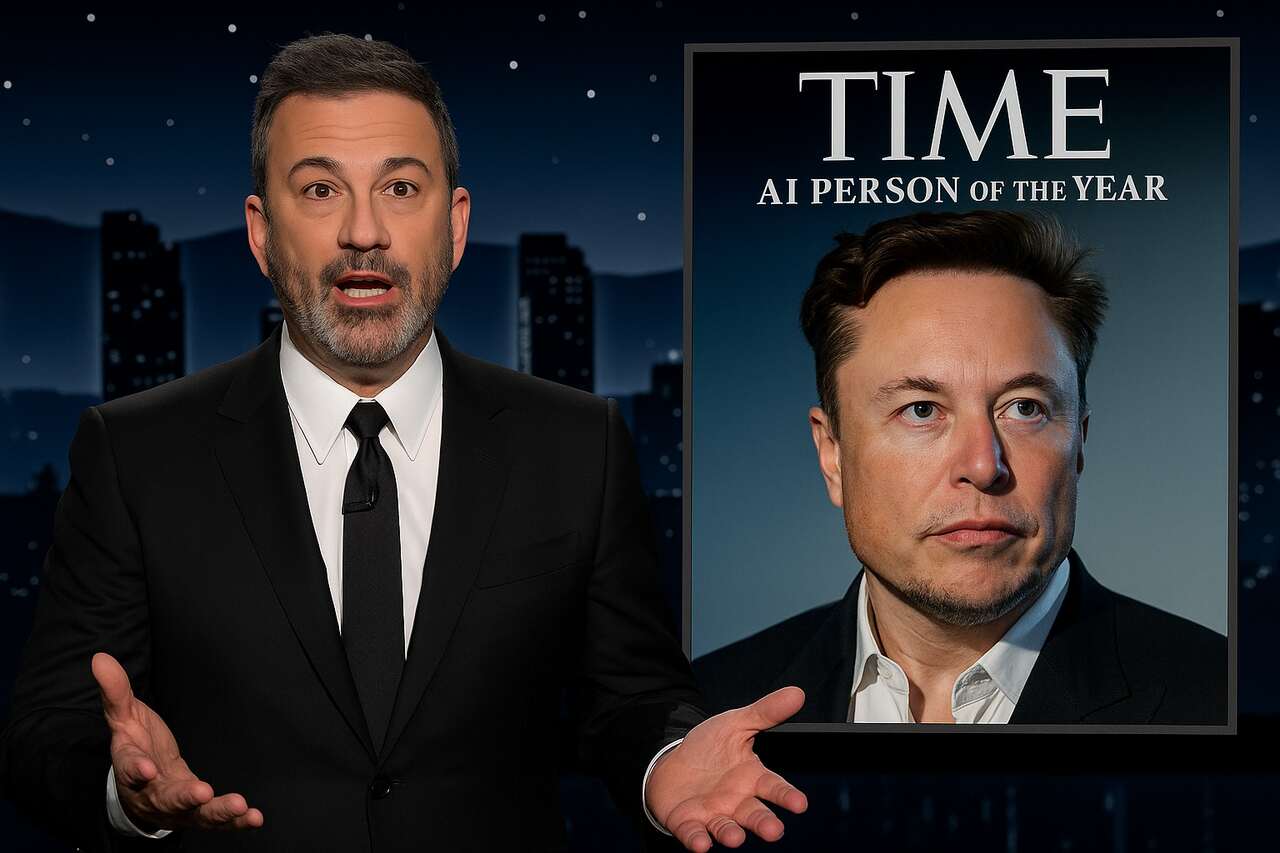
- Jimmy Kimmel criticized Elon Musk on national television following Musk’s selection as TIME’s AI Person of the Year.
- The comedian questioned Musk’s AI influence, suggesting the award was more about notoriety than innovation.
- Kimmel referenced past controversies, including Musk’s public feuds and social media behavior.
- The monologue triggered polarized reactions, with Musk’s supporters defending his AI leadership and critics echoing Kimmel’s sentiment.
- The discussion spotlighted the debate around ethical innovation, media recognition, and the role of public figures in shaping AI discourse.
Jimmy Kimmel publicly criticized TIME magazine’s decision to name Elon Musk as the “AI Person of the Year,” questioning the rationale behind selecting a figure widely known for controversy over other contributors within the artificial intelligence ecosystem. Kimmel’s remarks, delivered in a satirical monologue on Jimmy Kimmel Live!, sparked a wider discussion about AI ethics, media bias, and the role of influence versus invention in technological recognition.
What Did Jimmy Kimmel Say About Elon Musk’s AI Credentials?
Jimmy Kimmel questioned Elon Musk’s direct contributions to the field of artificial intelligence.
Elon Musk, though co-founder of OpenAI and current head of xAI, has been primarily known for his ventures in Tesla, SpaceX, and X (formerly Twitter). Kimmel underscored that Musk often garners headlines more for his provocative behavior than for concrete AI advancements. The comedian sarcastically highlighted that being a loud voice on AI does not equate to leading innovation.
Kimmel used the segment to juxtapose Musk’s high-profile presence with researchers, engineers, and AI ethicists who have worked behind the scenes on transformer models, deep learning architectures, and neural-symbolic reasoning. By challenging the award, Kimmel effectively questioned the semantic weight of the title “AI Person of the Year” in the context of value-based contribution over public notoriety.
How Has Elon Musk Influenced the AI Landscape in 2025?
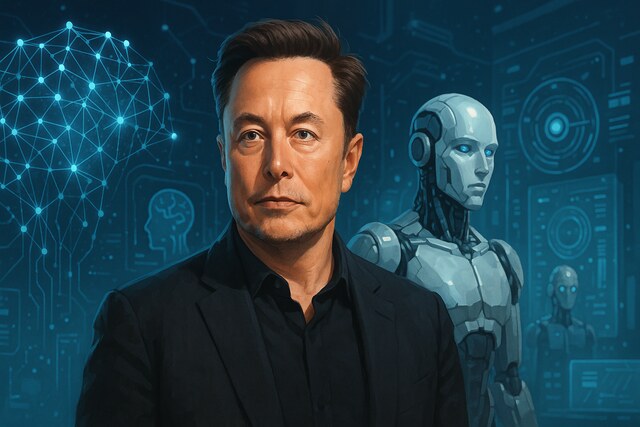
Elon Musk has amplified AI discourse through high-profile ventures.
Musk’s company xAI has released the Grok LLM, integrated with X’s social interface, and framed as a challenger to ChatGPT, Claude, and Gemini. The project leverages large-scale multi-modal data ingestion and emphasizes “truth-seeking” algorithms, a controversial term given Musk’s stance on free speech moderation.
His influence spans beyond product development. Musk’s repeated warnings about AI alignment, existential risk, and regulatory delay have influenced policy-level debates across the EU, US, and China. However, critics argue that Musk’s alarmist tone often contradicts the commercial deployment strategies of his own AI models.
What Controversies Are Tied to Elon Musk’s Public Persona in the AI Arena?
Elon Musk’s social media behavior undermines his AI credibility, according to critics.
Kimmel referenced Musk’s online feuds, including personal attacks on journalists and public figures, which often detract from his scientific persona. Musk’s polarizing tweets, especially regarding misinformation, election interference, and content moderation, are frequently used as evidence of a mismatch between AI ethics and personal conduct.
Further tension arises from Musk’s past departure from OpenAI, where he cited philosophical differences. Since then, he has vocally criticized OpenAI’s alignment with Microsoft, asserting a lack of transparency and open-source commitment. This criticism has been labeled by some observers as hypocritical, given xAI’s own closed training datasets and opaque development roadmaps.
How Did the Public and Industry React to Kimmel’s Critique?
The public response revealed a split between cultural commentary and technical merit.
Kimmel’s monologue drew applause from segments of the tech community who view AI as a collaborative, research-driven discipline rather than a celebrity stage. These individuals argue that awards like TIME’s should spotlight NLP researchers, model architects, and policy pioneers working on LLMs, RLHF, and causal inference models.
Musk’s defenders, including followers on X, claimed the award acknowledges his role as a visionary shaping public understanding and discourse. They argued that public influence is a necessary component in steering AI adoption and ensuring governmental accountability. Industry insiders, however, expressed concern that popular media may be distorting the narrative around AI’s true heroes.
What Does This Incident Reveal About the Intersection of Media, AI, and Influence?
Media awards increasingly blur the line between influence and contribution in AI.
TIME’s selection of Elon Musk reflects a broader media trend of equating visibility with value. Kimmel’s satire cut into this perception, advocating for deeper scrutiny around who gets recognized in complex, multi-disciplinary fields like artificial intelligence. The clash exposes an unresolved semantic gap between personality-driven recognition and substance-driven innovation.
The discourse underscores the need for contextual entity weighting in AI accolades acknowledging not just who speaks about AI, but who architects, governs, and deploys it responsibly. Kimmel’s criticism may not change public opinion overnight, but it invites a necessary reevaluation of how society defines AI leadership.
