
Highlights
- Elon Musk publicly backs the Republican Party ahead of the 2026 U.S. midterm elections, citing alignment with economic, technological, and free speech policies
- Signals a strategic realignment with Donald Trump, ending a years-long public feud in favor of mutual political and business gains.
- GOP endorsement supports deregulation goals, particularly in AI, crypto, and space sectors core to Musk’s business empire (Tesla, SpaceX, X).
- Musk aims to influence policy on taxation, energy, and digital autonomy, anticipating favorable conditions under Republican leadership.
- Political move resonates with tech-driven voter bases, especially in swing states with high startup, fintech, and clean energy activity.
- Trump benefits from Musk’s tech-world credibility, while Musk positions himself as a policy influencer rather than partisan follower.
- Public sentiment polarized, with conservatives rallying behind Musk and progressives raising alarms about billionaire influence in democracy.
- Strategic use of X (formerly Twitter) positions Musk as both media magnate and political amplifier for GOP messaging in 2026.
Why Did Elon Musk Publicly Support the Republican Party Ahead of the 2026 Midterms?
Elon Musk CEO of Tesla and SpaceX, officially announced his endorsement of the Republican Party for the 2026 U.S. midterm elections. His support marks a significant shift in the tech billionaire’s political alignment, reinforcing a narrative of economic conservatism, free speech advocacy, and deregulation in the tech sector. Musk’s endorsement aligns with the GOP’s policy focus on innovation, energy independence, and minimal federal interference in enterprise operations.
The endorsement also serves as a continuation of Musk’s growing criticism of Democratic policies, especially around climate regulation, censorship on digital platforms, and corporate taxation. Musk’s statements are strategically positioned to resonate with voters who prioritize technological innovation, reduced government oversight, and economic acceleration.
His support holds particular weight in key battleground states where tech influence and entrepreneurial communities are increasingly influential. It also signals to institutional investors and policy strategists a potential policy roadmap favoring cryptocurrency, AI, and clean energy under a Republican legislative agenda.
Has Elon Musk Ended His Long-Running Feud with Donald Trump?
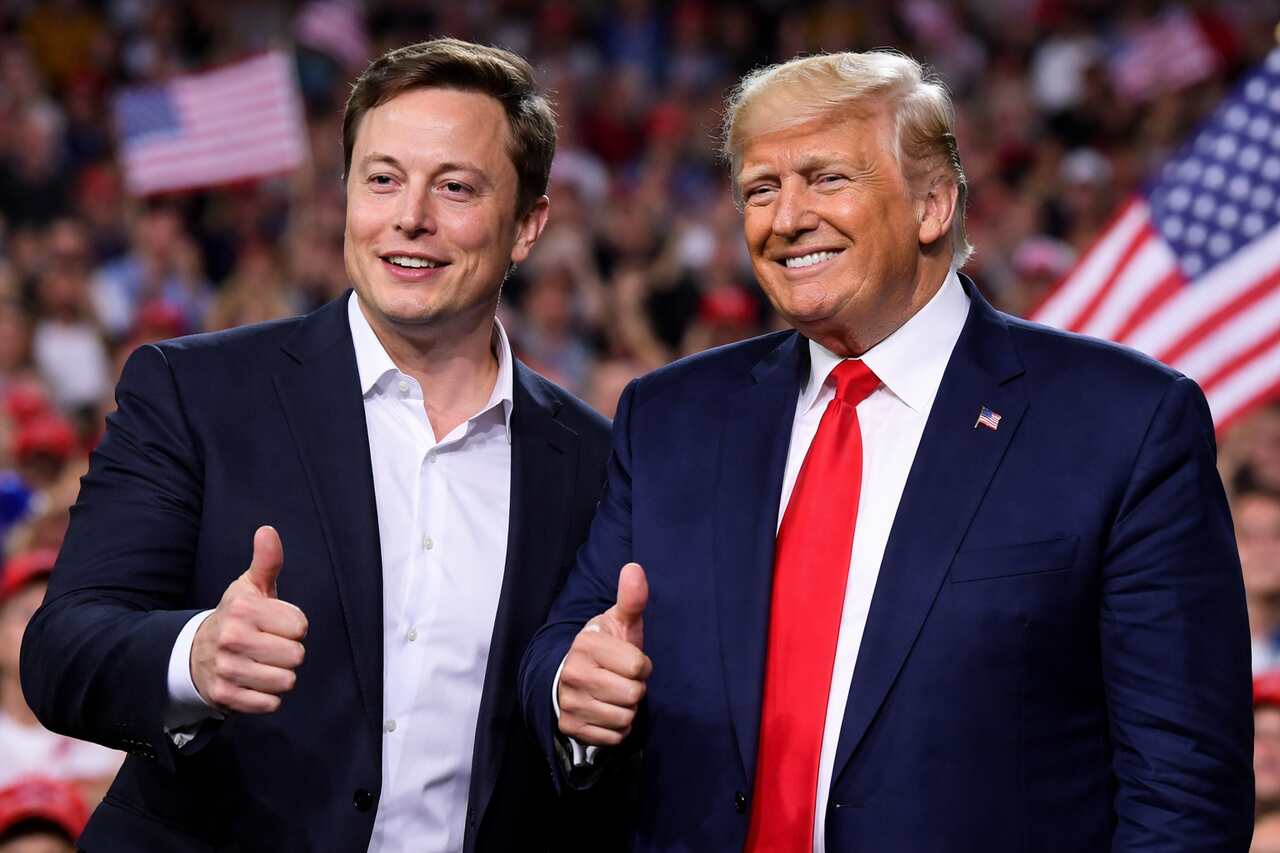
Elon Musk’s latest political statements suggest a temporary détente with former President Donald Trump. Both figures share overlapping constituencies and ideological tenets namely, opposition to perceived overreach by federal agencies, a pro-business ethos, and nationalism in energy policy. This pragmatic truce appears centered on mutual benefit: Trump gains tech validation, while Musk secures political cover for SpaceX contracts, Twitter (X) platform autonomy, and favorable AI regulation.
Previously, Musk criticized Trump’s leadership style, particularly after the January 6 Capitol events, calling for “less divisive rhetoric.” However, recent closed-door meetings and social media exchanges between their circles indicate strategic reconciliation rather than ideological convergence.
The public re-engagement also coincides with rising scrutiny of major tech conglomerates, where Musk positions himself as a renegade entrepreneur defending innovation from institutional stagnation. Reopening dialogue with Trump, who remains influential among GOP lawmakers, may help insulate Musk’s ventures from regulatory threats under a Republican-controlled Congress.
What Political and Business Motives Are Driving Musk’s 2026 Endorsement?
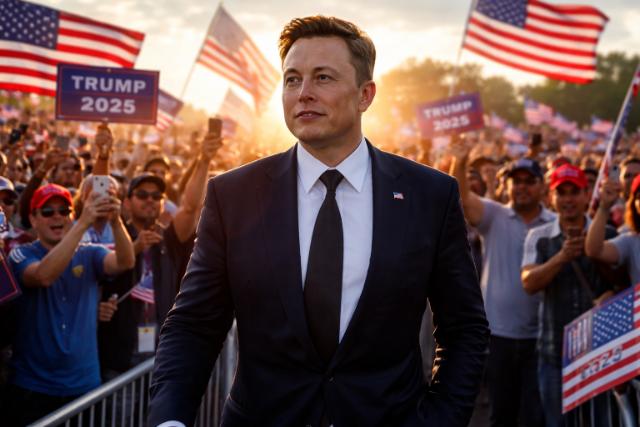
Musk’s political endorsement is rooted in a blend of ideological and operational interests. The Republican platform’s promise of tax cuts for corporations and high-income earners directly supports Tesla’s capital-intensive R&D initiatives and Twitter’s monetization goals. Moreover, GOP resistance to SEC oversight and proposed antitrust reforms aligns with Musk’s efforts to shield his ventures from federal constraints.
Additionally, Musk’s control over digital discourse via Twitter/X makes him a key influencer in shaping political narratives. Supporting the GOP allows him to indirectly sway legislative attitudes toward cryptocurrency, neural tech, space policy, and decentralized energy systems, all areas that align with his portfolio.
Musk’s financial interest in lowering capital gains taxes, protecting business ownership rights, and advancing American industrial dominance in sectors like electric vehicles and orbital infrastructure also underpin his support for Republican candidates.
What Are the Key Entities and Stakeholders Impacted by Musk’s Endorsement?
- Republican National Committee (RNC): Gains narrative capital by associating with Musk’s innovation credentials and cultural influence.
- Donald Trump’s 2026 Influence Strategy: Strengthens ties with tech elites, appealing to moderate conservatives and libertarian voters.
- Tech Investors and Market Analysts: View Musk’s endorsement as a signal of expected deregulatory momentum in AI, fintech, and space industries.
- Democratic Policy Makers: Face amplified criticism on issues like censorship, environmental regulation, and wealth taxation.
- Mainstream Media and Alternative Media Platforms: Scrutinize the implications of political endorsements by major tech CEOs, especially concerning free speech and election integrity.
How Does Musk’s Endorsement Affect Public Sentiment and Voter Behavior?
Public reaction to Musk’s endorsement reflects increasing polarization in perceptions of tech leaders. Among conservative and libertarian audiences, Musk is lauded as a free speech absolutist and anti-establishment figure. His rhetoric around cancelling culture, “woke capitalism,” and government inefficiency aligns with voter disillusionment across demographics.
In contrast, progressive groups interpret Musk’s endorsement as further evidence of Big Tech’s encroachment into democratic processes. Concerns over platform manipulation, billionaire influence, and profit-driven policy agendas intensify in liberal circles.
The endorsement may particularly influence swing voters in tech-centric regions such as Arizona, Nevada, and Florida where policy around cryptocurrency, electric mobility, and digital infrastructure could swing votes. Younger voters, especially male tech enthusiasts and startup founders, may also recalibrate political preferences based on Musk’s public positions.
Conclusion
Elon Musk’s backing of Republicans for the 2026 midterms exemplifies the fusion of technological entrepreneurship with political realignment. His evolving rapport with Donald Trump reveals a pragmatic strategy designed to protect business interests while influencing national policy discourse. As tech billionaires increasingly play kingmaker roles, Musk’s endorsement sets a precedent for how platform ownership and political messaging may intertwine during future electoral cycles.
