
Highlights
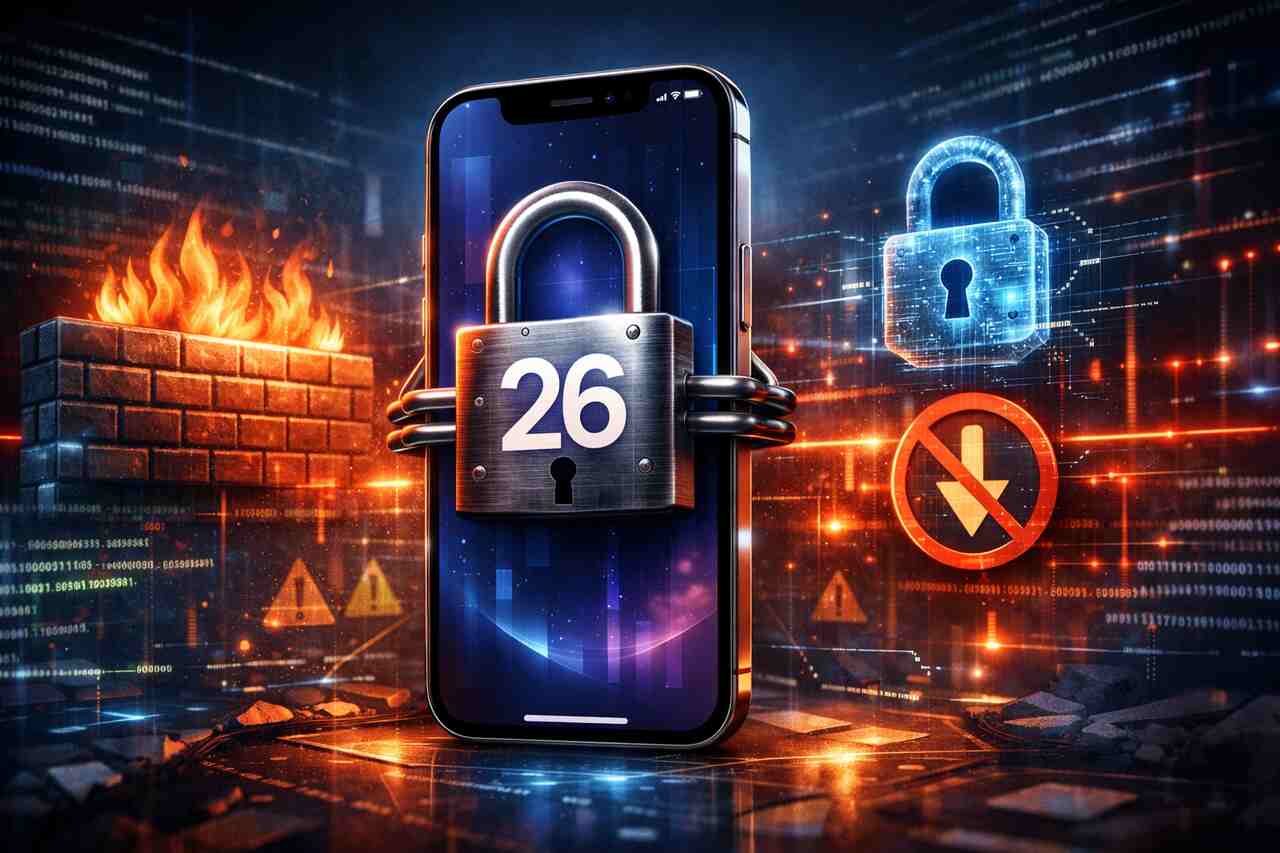
- Apple has officially restricted downgrades from iOS 26 by stopping the signing of older firmware versions such as iOS 25.7.1.
- iPhone users now permanently remain on iOS 26 once the update is installed affecting developers, power users, and jailbreakers.
- Apple’s software signing policy enforces security and system integrity, but limits user control and device flexibility.Testing older apps or jailbreak methods is now blocked, impacting developers and digital forensics workflows.
- Downgrade prevention aligns with Apple’s broader strategy to ensure ecosystem uniformity, reduce fragmentation, and enhance user data protection.
Why Did Apple Disable iOS Downgrades with iOS 26?
Apple disabled firmware downgrades to increase system-level control, secure the software environment, and reduce operating system fragmentation. By halting the signing of older firmware versions like iOS 25.7.1, Apple eliminated the possibility for users to revert after upgrading to iOS 26. This strategic enforcement aligns with Apple’s continuous integration approach, which encourages users to stay on the latest software builds to access real-time security updates, exploit mitigations, and app compatibility enhancements.
What Happens to Users Who Try to Revert to an Older iOS Version?
Users attempting to downgrade via iTunes or third-party restore tools will receive verification errors from Apple’s servers. These errors stem from the Signed Firmware Validation System, which checks if the requested iOS build is still cryptographically signed. Since iOS 25.7.1 is no longer signed, any downgrade request will fail at the verification stage, regardless of whether the user has previously saved SHSH blobs or attempts DFU recovery.
Who Is Most Affected by the Firmware Downgrade Lock?
Developers, jailbreakers, and digital forensics analysts are most impacted by the iOS 26 downgrade block. Developers lose the ability to test app performance across prior OS versions. Jailbreak users cannot revert to jailbreak-compatible firmware after accidental or forced updates. Forensics teams that rely on older firmware’s security weaknesses for data recovery face a hardened system architecture, increasing the challenge of lawful data extraction. Power users also lose autonomy over their device’s OS environment.
What Are the Security Implications of Blocking iOS Downgrades?
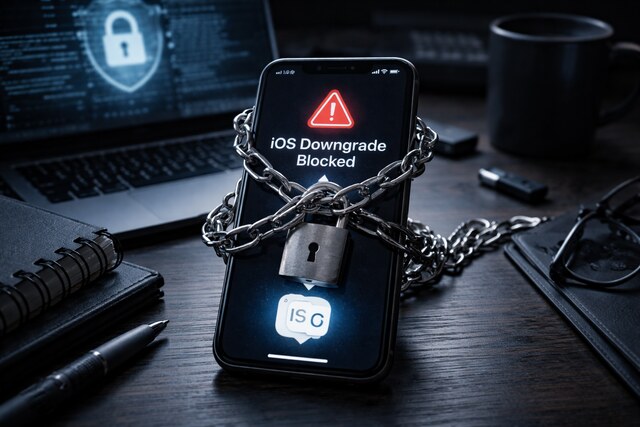
The security implications include stronger protection against vulnerabilities exploited in older firmware. Preventing downgrades eliminates the attack vector of deliberately reverting to a vulnerable iOS version to execute malicious payloads. Apple’s Secure Enclave, Kernel Patch Protection, and System Integrity Verification systems are best optimized when the device runs the most current iOS version. By sealing the downgrade path, Apple closes potential security loopholes, especially in zero-day or unpatched exploits.
How Does This Policy Fit into Apple’s Ecosystem Strategy?
The downgrade lock-in reinforces Apple’s walled garden model prioritizing ecosystem uniformity, simplified device management, and continuous update cycles. With over 85% of active iPhones running the latest iOS versions, Apple gains centralized control over OS distribution, developer tools compatibility, and user data protection. The firmware signing gate acts as a gatekeeper in Apple’s vertical integration strategy, reducing support costs and ensuring that all iOS devices benefit from unified performance and feature sets.
