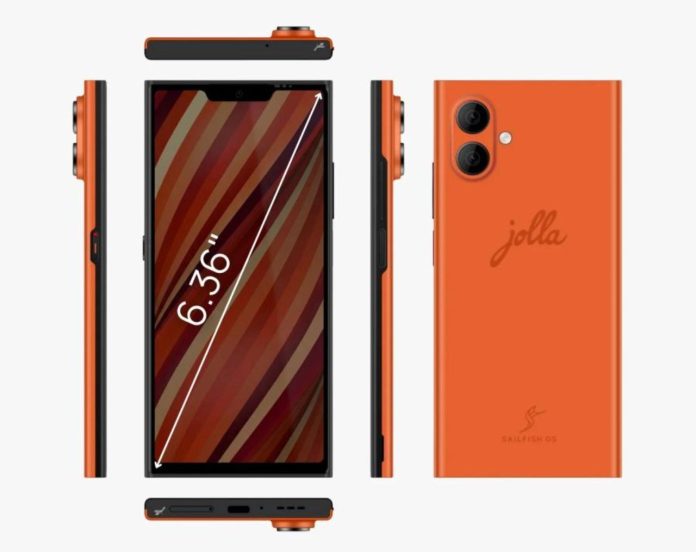


The Jolla Phone occupies a unique place in smartphone history. Released in late 2013 by Finnish startup Jolla, the device represented one of the most ambitious attempts to challenge the Android-iPhone duopoly after the collapse of Nokia’s MeeGo ambitions.
At a time when nearly every smartphone manufacturer was converging around Android, Jolla went in the opposite direction. It built an entirely new operating system called Sailfish OS, designed around gestures, multitasking, and Linux-based openness. The result was a phone that felt radically different from its competitors sometimes refreshingly innovative, sometimes frustratingly unfinished.
More than a decade later, the Jolla Phone remains less important as a mainstream consumer device and more significant as a symbol of what alternative mobile ecosystems could have become.
Design and Build Quality
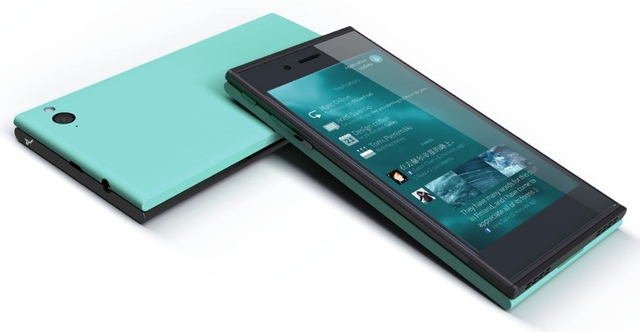
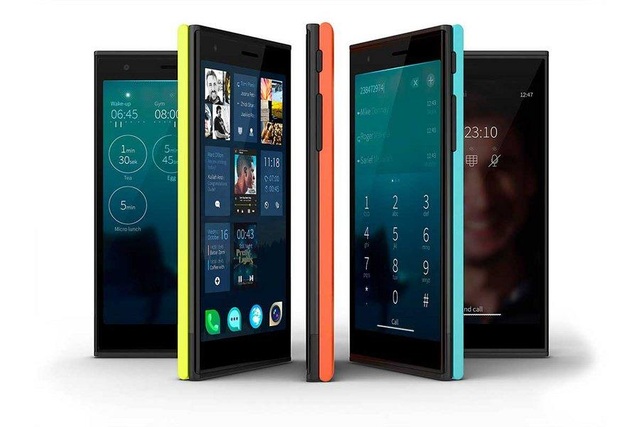
The Jolla Phone looked unconventional even by 2013 standards. It featured a curved lower half that subtly protruded beneath the display, creating a distinctive silhouette. While some critics considered the asymmetrical shape awkward, it gave the device personality in an era increasingly dominated by generic black rectangles.
The phone used a 4.5-inch IPS LCD display with a resolution of 960×540. Even at launch, the resolution lagged behind flagship Android competitors offering Full HD panels, but the screen itself delivered respectable color reproduction and viewing angles.
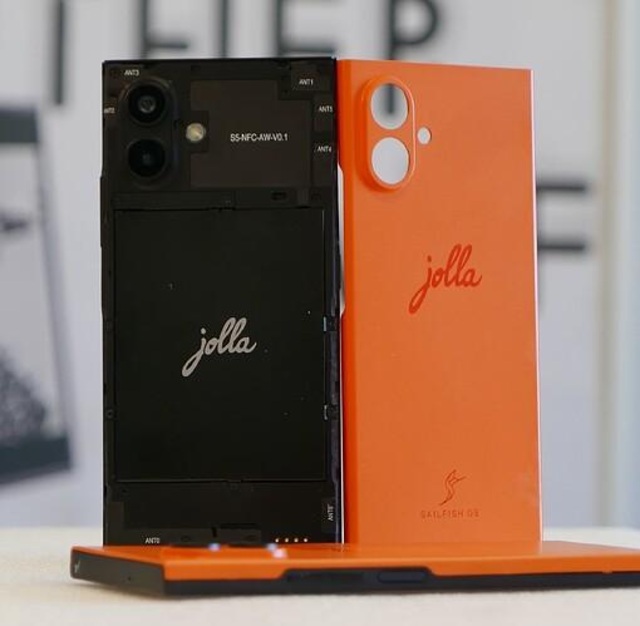
Build quality sat somewhere between premium and experimental. The matte polycarbonate shell felt durable enough, though hardly luxurious. What made the hardware genuinely interesting was Jolla’s “The Other Half” concept interchangeable rear covers that could trigger software behaviors, themes, or integrations when attached.
The idea anticipated modern modular accessory ecosystems, but Jolla never developed the ecosystem deeply enough for it to become transformative.
Still, the phone felt comfortable in the hand. Its compact dimensions stand out even more positively today, especially compared with oversized modern smartphones.
Hardware Specifications
By flagship standards, the Jolla Phone’s hardware was midrange even at release:
- Qualcomm Snapdragon 400 dual-core processor
- 1GB RAM
- 16GB internal storage
- microSD expansion
- 8MP rear camera
- 2MP front camera
- LTE support in select regions
- 2100mAh removable battery
None of these specifications were groundbreaking. In fact, Jolla intentionally prioritized software innovation over hardware competition. That strategy made sense financially for a startup, but it also meant the device lacked the raw performance needed to overcome software immaturity.
Performance was generally smooth for core navigation tasks, thanks largely to Sailfish OS’s lightweight design. However, multitasking could become inconsistent, and demanding Android applications occasionally exposed hardware limitations.
Sailfish OS: The Real Story
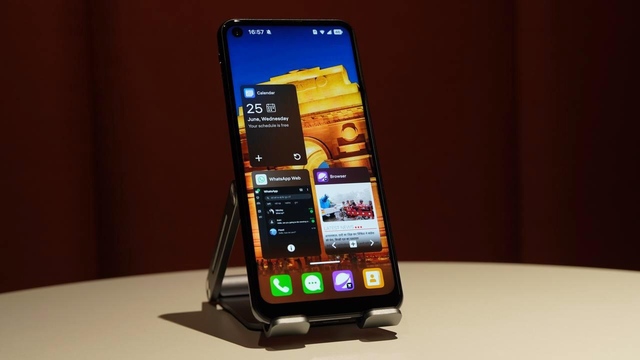
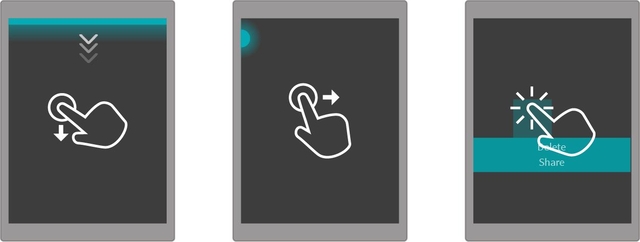
The operating system was unquestionably the star of the show.
Sailfish OS evolved from MeeGo heritage and carried forward many ideas abandoned when Nokia partnered with Microsoft for Windows Phone. Former Nokia engineers founded Jolla largely to preserve that design philosophy.
The experience centered around gestures rather than buttons. Users swiped inward from edges to navigate, multitask, or access menus. Years before gesture navigation became mainstream on iPhones and Android devices, Sailfish OS demonstrated how fluid touch-first interactions could feel.
The multitasking implementation was especially impressive. Open apps appeared as live “covers” on the home screen, allowing users to interact with certain functions directly without fully opening the application. Even today, the concept feels elegant.
Sailfish OS also emphasized efficiency:
- Minimal UI clutter
- Fast transitions
- Lightweight resource usage
- Strong multitasking visibility
- Linux foundations for advanced users
For enthusiasts and developers, the platform felt excitingly open. Terminal access, customization potential, and community-driven experimentation gave the device a hacker-friendly identity missing from most commercial smartphones.
But innovation alone could not solve the ecosystem problem.
App Support: The Biggest Weakness
The Jolla Phone’s greatest limitation was application availability.
Sailfish OS launched with only a small native app ecosystem. Jolla attempted to compensate by enabling Android app compatibility through a compatibility layer. In theory, this gave users access to Android applications without fully abandoning Sailfish.
In practice, the experience was inconsistent.
Some Android apps worked surprisingly well. Others suffered from:
- Broken notifications
- UI scaling issues
- Performance instability
- Missing Google Play Services
- Compatibility problems
This created an awkward hybrid identity. The phone simultaneously rejected mainstream ecosystems while depending on them for survival.
For power users willing to tinker, the compromises were manageable. For mainstream consumers, they were difficult to justify.
Camera Performance
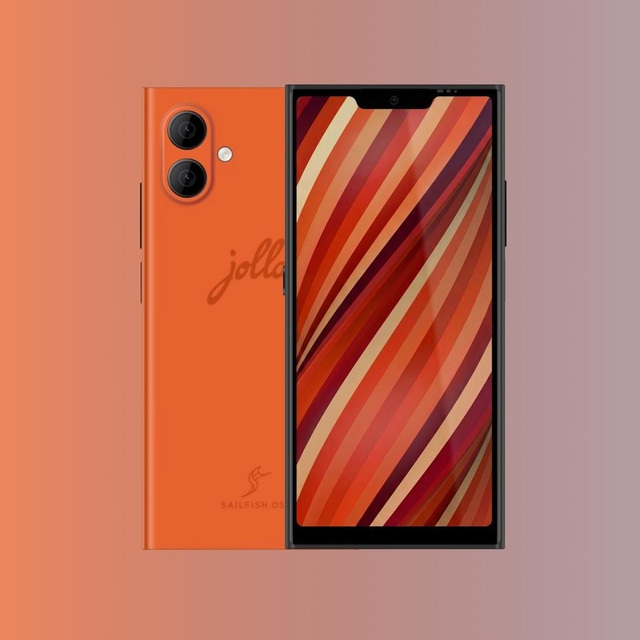
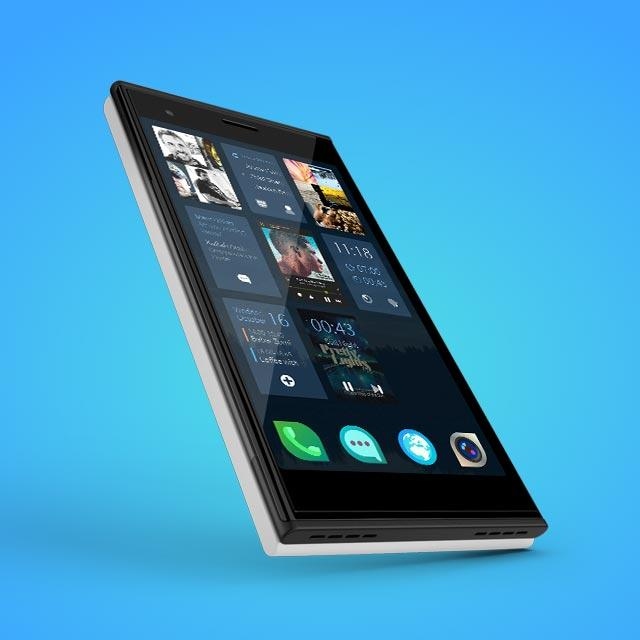
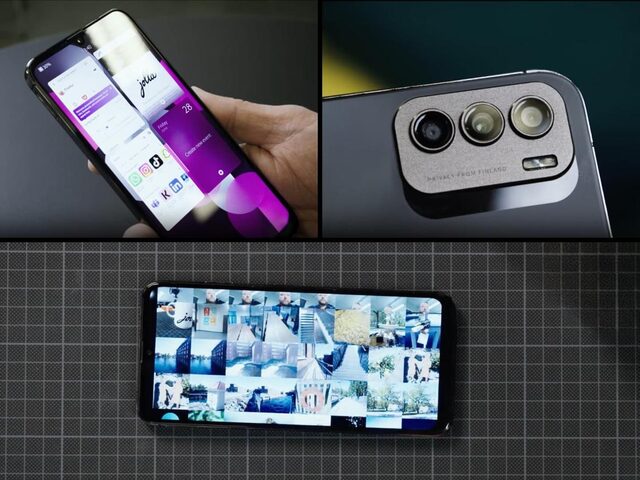
The 8MP rear camera was serviceable but unremarkable.
In good lighting, the Jolla Phone could capture reasonably detailed images with decent color accuracy. Dynamic range was limited, and autofocus occasionally struggled, but results were acceptable for casual photography.
Low-light performance deteriorated quickly. Noise levels increased substantially, detail softened aggressively, and image processing lacked the computational sophistication found in competing flagship devices.
Video recording capabilities were similarly average.
The camera experience reflected the broader philosophy of the phone itself: functional enough for enthusiasts who prioritized software experimentation over polished mainstream convenience.
Battery Life and Everyday Use
Battery life was surprisingly respectable for the era.
The removable 2100mAh battery generally delivered a full day of moderate usage, helped by Sailfish OS’s lightweight efficiency. Standby performance was particularly solid.
However, Android compatibility layers sometimes introduced inconsistent power consumption, especially when background services behaved unpredictably.
Daily usability depended heavily on user expectations.
For technically inclined users, the Jolla Phone felt refreshing:
- Fast gesture navigation
- Minimalist interface
- Strong multitasking
- Linux flexibility
- Open development environment
For average consumers, it could feel unfinished:
- Sparse app ecosystem
- Learning curve
- Occasional software instability
- Limited third-party support
Software Updates and Long-Term Vision
One area where Jolla deserves considerable credit is software longevity.
Unlike many failed smartphone startups, Jolla continued developing Sailfish OS long after the original phone’s release. The company pivoted toward licensing its operating system for governments, enterprise clients, and privacy-focused deployments.
That persistence helped Sailfish OS survive while many competing alternative mobile platforms disappeared entirely.
The original Jolla Phone eventually became more of a community-supported enthusiast device than a commercially competitive smartphone, but the software platform itself retained relevance in niche markets.
The Historical Importance of the Jolla Phone
The Jolla Phone matters because it represented one of the last serious attempts to build a truly independent mobile ecosystem.
Its timing was both idealistic and unfortunate.
By 2013:
- Android had already achieved massive scale
- iOS dominated premium consumer mindshare
- Windows Phone was struggling
- BlackBerry was collapsing
- Developers prioritized established ecosystems
Jolla entered the market when platform consolidation was accelerating rapidly. Even genuinely innovative ideas faced overwhelming structural disadvantages.
Yet many of Sailfish OS’s concepts later became mainstream:
- Gesture navigation
- Card-based multitasking
- Edge swipes
- Minimalist UI systems
- Reduced button dependence
In some ways, the Jolla Phone was ahead of its time.
Final Verdict
The Jolla Phone was never a perfect smartphone.
Its hardware was modest, the app ecosystem was fragile, and mainstream consumers had little incentive to abandon Android or iPhone platforms. From a commercial perspective, it remained a niche product.
But evaluating the device purely by sales figures misses its significance.
The Jolla Phone was an experiment in software independence during a period when the smartphone industry was rapidly centralizing. It demonstrated that alternative interface ideas, Linux-based mobile platforms, and community-driven ecosystems still had creative potential.
For enthusiasts, developers, and mobile historians, the device remains fascinating.
For average users, it was difficult to recommend even at launch.
Still, few smartphones from that era feel as conceptually ambitious in hindsight. The Jolla Phone may not have changed the market, but it unquestionably challenged assumptions about what smartphones could be.