
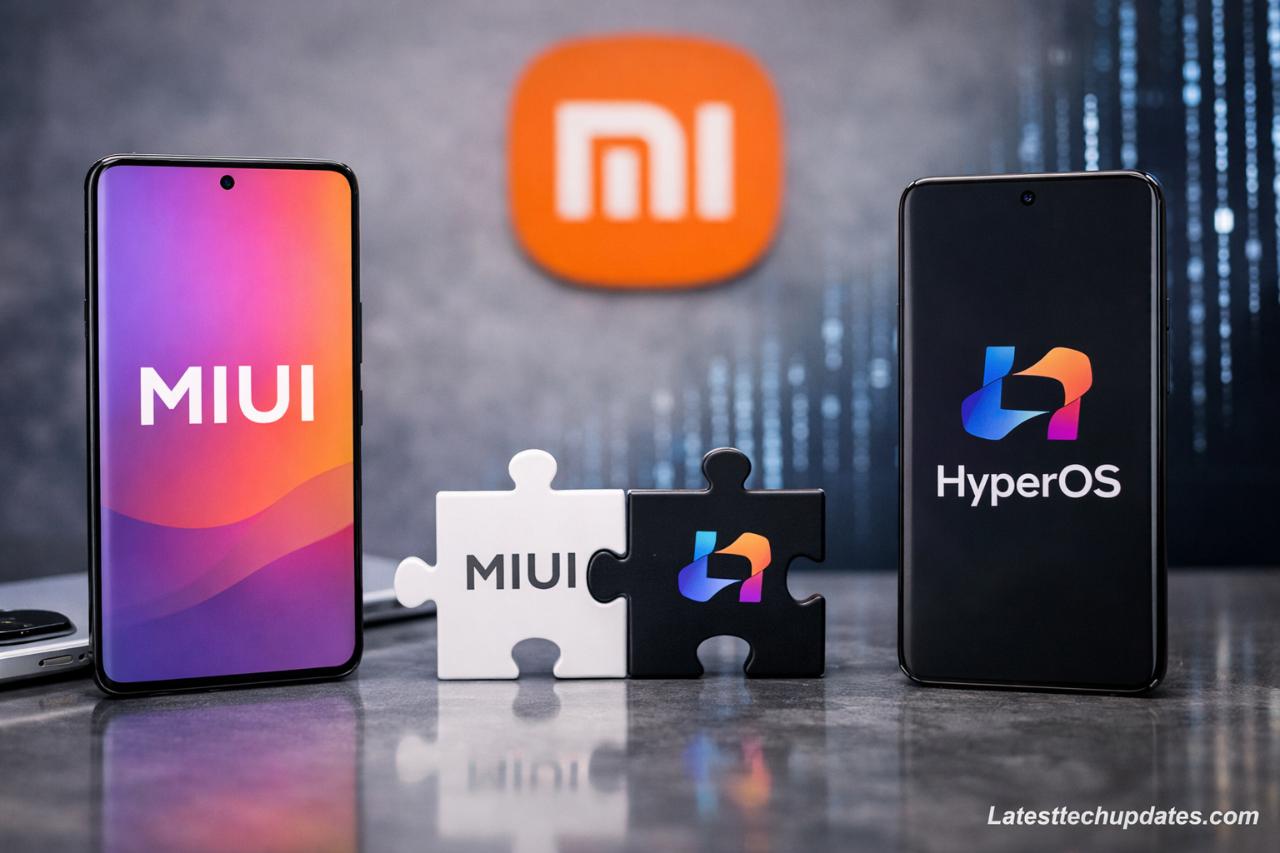
Highlights
- Xiaomi officially confirmed the gradual discontinuation of MIUI updates for older devices, aligning with a long-term software evolution strategy.
- Transition focuses on replacing MIUI with HyperOS, a unified operating system designed for smartphones, IoT devices, and smart ecosystems.
- Older Xiaomi, Redmi, and Poco devices have reached end-of-life update cycles, meaning no new feature updates and limited security patches.
- HyperOS introduces improved performance, lighter architecture, and better cross-device connectivity compared to MIUI.
- Xiaomi aims to compete with ecosystem-driven strategies from Apple Inc. and Samsung Electronics.
- Users may need to upgrade devices to continue receiving long-term software support and security updates.
- Xiaomi reassured users that some devices will still receive security patches even after MIUI feature updates stop.
What Did Xiaomi Announce About MIUI Updates?
Xiaomi confirmed a strategic shift away from the legacy MIUI interface, signaling a gradual discontinuation of updates for selected devices. The announcement connects directly to Xiaomi’s broader software evolution toward HyperOS, which replaces MIUI as the core operating system ecosystem.
Why is Xiaomi Phasing Out MIUI?
Xiaomi’s decision aligns with long-term software consolidation goals. HyperOS introduces a unified architecture that integrates smartphones, IoT devices, and smart ecosystems. MIUI, despite strong customization features, created fragmentation across devices, which reduced update efficiency and system optimization consistency.
Which Devices Are Affected by MIUI Discontinuation?
Older Xiaomi, Redmi, and Poco models fall under the affected category. Devices beyond their standard update lifecycle typically 2–3 Android updates and 3–4 years of security patches will no longer receive MIUI upgrades. Xiaomi maintains that hardware limitations and performance constraints drive this decision.
How Does Xiaomi Define Update Lifecycle Policy?
Xiaomi follows a lifecycle model similar to competitors like Samsung Electronics and Apple Inc.. Premium devices receive longer support windows, while budget devices experience shorter update cycles due to chipset capability and cost constraints.
What Is Xiaomi’s Official Response to User Concerns?
Xiaomi acknowledged user dissatisfaction, especially among MIUI enthusiasts. The company emphasized security patch continuity for some models even after feature updates stop. Xiaomi also highlighted that HyperOS adoption aims to deliver improved performance, privacy enhancements, and cross-device synergy.
How Does HyperOS Replace MIUI in Xiaomi’s Ecosystem?
HyperOS functions as Xiaomi’s next-generation operating system, designed to unify software experiences across multiple device categories. The transition reflects Xiaomi’s ambition to compete with ecosystems developed by Google and Apple.
What Are the Core Features of HyperOS?
HyperOS introduces lightweight architecture, reduced storage footprint, and enhanced memory management. System-level optimization improves app launch speed and battery efficiency. HyperOS also integrates AI-driven features that adapt user behavior patterns for personalized performance.
How Does HyperOS Improve Cross-Device Connectivity?
HyperOS connects smartphones, smart TVs, wearables, and IoT devices into a seamless network. Xiaomi’s ecosystem strategy mirrors Apple’s ecosystem continuity, allowing file sharing, task synchronization, and device control from a unified interface.
What Role Does Android Play in HyperOS?
HyperOS remains built on the Android framework but includes Xiaomi’s proprietary kernel modifications. These modifications enhance hardware-software interaction while maintaining compatibility with Android applications and services.
How Does HyperOS Impact User Experience Compared to MIUI?
HyperOS reduces visual clutter and improves UI fluidity compared to MIUI. MIUI focused heavily on customization layers, while HyperOS prioritizes efficiency, minimalism, and system coherence. Users experience smoother animations, faster navigation, and better resource allocation.
Why Is Xiaomi Transitioning From MIUI to a Unified Operating System?
Xiaomi’s transition reflects a broader industry shift toward ecosystem-driven software strategies. The move aligns with increasing demand for interconnected digital environments.
How Does Ecosystem Integration Influence Xiaomi’s Strategy?
Ecosystem integration enables Xiaomi to connect smartphones with smart homes and AI devices. HyperOS supports centralized control systems, enhancing user convenience and increasing brand retention across multiple product categories.
What Competitive Pressure Influences Xiaomi’s Decision?
Companies like Apple and Samsung have established strong ecosystem lock-in. Xiaomi aims to reduce dependency on fragmented software layers and compete through seamless integration and consistent user experience.
How Does Software Optimization Affect Device Longevity?
HyperOS optimizes system resources, allowing devices to maintain performance over longer periods. Efficient memory management and lightweight processes reduce lag, extending usable device lifespan even without frequent updates.
What Economic Factors Drive MIUI Discontinuation?
Maintaining MIUI across hundreds of devices increases development costs. Transitioning to a unified system reduces engineering complexity, accelerates update rollout, and improves scalability across global markets.
What Should Xiaomi Users Expect Moving Forward?
Users should anticipate a gradual but definitive transition toward HyperOS as Xiaomi’s primary software platform. MIUI will remain functional on older devices but will no longer receive major updates.
Will Existing Devices Receive HyperOS Updates?
Select newer devices will receive HyperOS upgrades, depending on hardware compatibility. Xiaomi publishes official eligibility lists to clarify upgrade availability.
How Should Users Handle Unsupported Devices?
Users with unsupported devices can continue usage with existing MIUI versions. Security-conscious users may consider upgrading to newer Xiaomi models that support HyperOS.
What Are the Security Implications of MIUI Discontinuation?
Devices without updates may face increased vulnerability risks over time. Xiaomi continues limited security patch support for some models, but long-term protection requires newer software adoption.
How Does This Shift Affect Xiaomi’s Global Market Position?
HyperOS strengthens Xiaomi’s competitive positioning by aligning software strategy with ecosystem expansion. The transition enhances brand perception as a technology innovator rather than a hardware-focused manufacturer.
Xiaomi’s response to MIUI discontinuation reflects a calculated shift toward ecosystem unification, software efficiency, and long-term scalability. HyperOS emerges as the cornerstone of Xiaomi’s next-generation digital infrastructure, redefining how users interact with devices across interconnected environments.
