
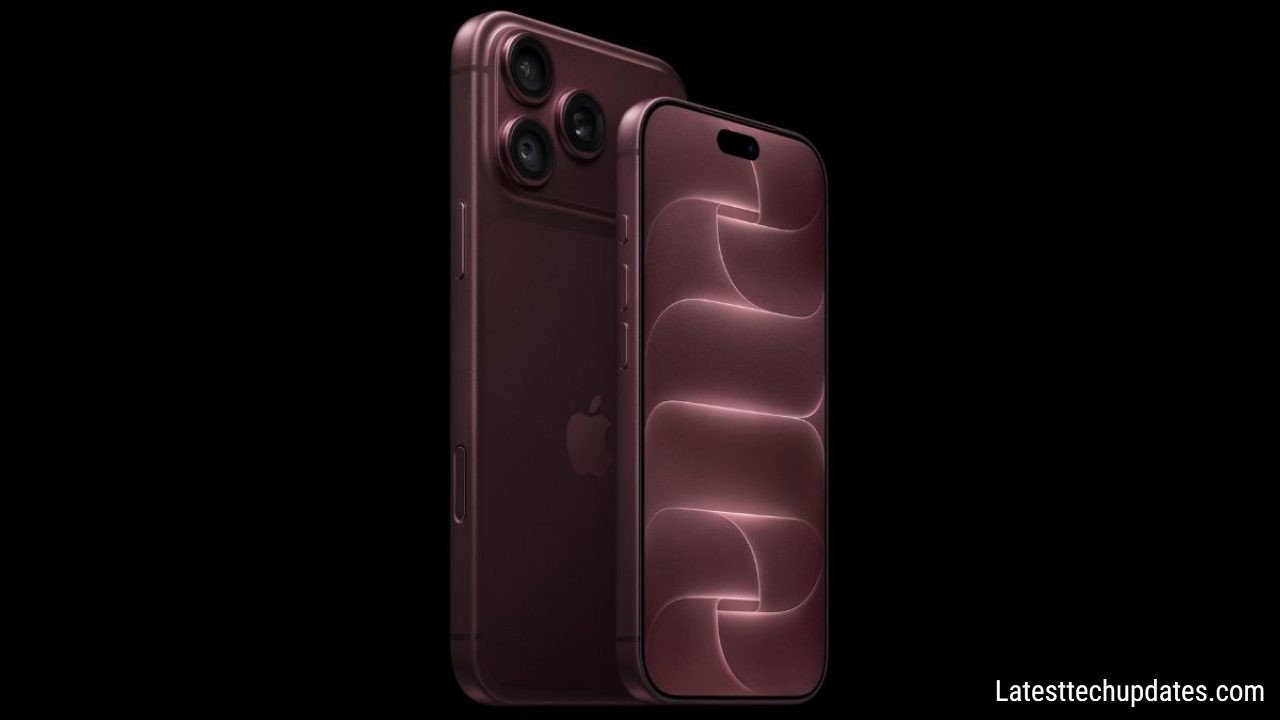
The iPhone 18 Pro Max comes in four storage sizes: 256GB, 512GB, 1TB, and 2TB. Apple has removed the need to choose a very small entry-level capacity, but there is still a big difference between buying enough storage and paying hundreds of dollars for space you may never use. Apple officially lists all four capacities for the 2026 iPhone 18 Pro Max.
For most people, 256GB is enough. I would consider 512GB the strongest long-term choice for users who take lots of photos and video, download large apps, or plan to keep the phone for several years. The 1TB and 2TB versions make much more sense for photographers, video creators, professionals, and users who deliberately keep large amounts of content on the phone.
iPhone 18 Pro Max Storage Options at a Glance
Apple’s official specifications list the following capacities for the iPhone 18 Pro Max: 256GB, 512GB, 1TB, and 2TB.
| Storage | Best suited to | Current Apple U.S. price |
| 256GB | Most everyday users | $1,299 |
| 512GB | Heavy users and long-term owners | $1,499 |
| 1TB | Creators and large local media libraries | $1,899 |
| 2TB | Very storage-heavy professional use | $2,499 |
These are Apple Store U.S. prices shown in October 2026 and can differ by country, carrier, tax, financing option, or promotion.
The price jumps matter. Moving from 256GB to 512GB costs considerably less than moving into the 1TB or 2TB configurations. That makes storage planning important because iPhone storage cannot be upgraded internally after you buy the phone.
iPhone 18 Pro Max 256GB: Enough for Most People
The 256GB iPhone 18 Pro Max is the sensible starting point for most buyers.
A 256GB phone gives you plenty of room for normal apps, messaging, documents, music, photos, casual video recording, and downloaded entertainment. It is especially practical if you already use iCloud Photos or another cloud service to avoid keeping your entire media library locally.
256GB should suit you if you:
- Mainly take normal photos and occasional videos.
- Stream music and movies rather than downloading large libraries.
- Use typical social, banking, productivity, navigation, and messaging apps.
- Regularly back up or move older media.
- Use iCloud storage for photos and files.
- Normally replace your phone before storage becomes a serious problem.
Remember that the advertised 256GB is not the amount of completely empty space available after setup. iOS, built-in resources, system data, caches, installed apps, and updates all use some of the capacity.
When 256GB can become restrictive
The problem is usually not everyday apps. Photos, high-quality video, large games, offline media, downloaded files, and years of accumulated content are more likely to consume the space.
If you already have close to 200GB stored on your current iPhone, buying another 256GB model leaves relatively little room for growth. In that situation, 512GB is usually the more comfortable choice.
iPhone 18 Pro Max 512GB: The Best Balance for Heavy Users
For buyers who want considerably more breathing room without moving into extremely expensive storage tiers, 512GB is arguably the most practical upgrade.
Apple currently charges $1,499 in the U.S. for the 512GB iPhone 18 Pro Max, compared with $1,299 for 256GB.
Doubling the capacity gives you much more flexibility for:
- Large photo libraries.
- Frequent video recording.
- Large mobile games.
- Offline movies and TV episodes.
- Downloaded music.
- Creative apps and project files.
- Keeping a phone for several years.
- Traveling without relying heavily on cloud storage or fast internet.
The important advantage is not simply having twice the number printed on the specification sheet. It is being able to use the cameras, download content, and install large apps with less need to constantly check remaining storage.
Who should choose 512GB?
I would prioritize 512GB if you are unsure between capacities and your budget allows it. It provides useful long-term headroom without requiring the much larger price increase of the 1TB and 2TB models.
It is particularly appealing if you keep phones for four or five years. Storage requirements usually grow over time as camera libraries, messages, apps, offline downloads, and app data accumulate.
iPhone 18 Pro Max 1TB: Designed for Serious Local Storage
The 1TB iPhone 18 Pro Max is much harder to justify for an ordinary user, but it can be valuable for people who create or carry large amounts of media.
Apple currently lists the 1TB configuration at $1,899 in the U.S.
A terabyte of internal storage is useful for people who:
- Record large quantities of high-quality video.
- Shoot extensively with the iPhone cameras.
- Work with large creative projects.
- Maintain very large offline photo libraries.
- Keep many large games installed simultaneously.
- Download substantial video libraries for travel.
- Prefer local files rather than depending heavily on cloud storage.
The key question is whether those workloads actually happen on the iPhone. Owning several terabytes of photos on a computer or cloud service does not automatically mean you need a 1TB phone.
For a typical user with a moderate photo library and streaming subscriptions, much of that capacity could remain unused throughout the phone’s life.
iPhone 18 Pro Max 2TB: Who Actually Needs It?
The iPhone 18 Pro Max is also available with 2TB of internal storage, which Apple confirms in both its technical specifications and launch information.
At Apple’s current U.S. price of $2,499, this is a highly specialized configuration rather than the obvious choice simply because it offers the most storage.
Two terabytes makes the most sense when large local files are part of the way you actually use the phone. Examples include professional video production, very large media libraries, extended recording sessions, or workflows where regularly moving files off the phone would be inconvenient.
For most buyers, 2TB provides diminishing practical value. It gives enormous storage headroom, but it also increases the purchase price by about $1,200 compared with the 256GB version at current U.S. Apple Store pricing.
That difference can matter more than the capacity itself.
256GB vs 512GB vs 1TB vs 2TB: Which Should You Buy?
A simple way to choose is to look at your existing storage use rather than guessing what you might need.
Choose 256GB if:
You are an average iPhone user, use cloud storage, stream most media, and do not regularly record huge quantities of video.
This is the configuration I would recommend to the largest number of buyers.
Choose 512GB if:
You take lots of photos and videos, install large games, keep substantial offline content, or want additional storage for several years of ownership.
For a heavy user, this is probably the best balance between capacity and cost.
Choose 1TB if:
Your phone is an important photography, video, or creative tool and you already know from your existing storage use that hundreds of gigabytes disappear quickly.
Do not buy 1TB simply for peace of mind if you currently use only a small fraction of 256GB.
Choose 2TB if:
Your workflow genuinely produces or requires enormous quantities of local data and reducing file-management interruptions is worth the significant additional cost.
For ordinary consumers, 2TB is excessive.
Check Your Current iPhone Storage Before Choosing
One of the easiest ways to avoid buying too little or too much storage is to examine your current iPhone.
Open:
Settings > General > iPhone Storage
You can see how much storage is currently being used and which categories consume it.
Pay particular attention to:
- Photos.
- Videos.
- Messages and attachments.
- Games.
- Downloaded movies or shows.
- Music.
- Files.
- Creative applications.
If you have owned your current phone for several years and are still comfortably below 128GB or 150GB of usage, 256GB will probably give you substantial room.
If you are already approaching the limit of a 256GB phone, moving to 512GB makes considerably more sense than trying to manage another 256GB device for several years.
Does iCloud Mean You Can Buy Less iPhone Storage?
It can, but iCloud storage and iPhone storage are not the same thing.
Your iPhone’s internal storage holds iOS, apps, locally stored photos, videos, messages, downloads, caches, and files. iCloud stores eligible data online and can synchronize it across your Apple devices.
Cloud storage can therefore reduce pressure on local storage, especially with optimized photo storage, but it does not turn a 256GB iPhone into a 512GB or 1TB device.
Apps still require local space. Offline files still require local space. Content you need when an internet connection is unavailable may also need to remain on the phone.
Apple also treats iCloud+ as a separate paid service rather than additional physical storage inside the iPhone.
Think About How Long You Will Keep the Phone
Storage planning becomes more important if you intend to keep the iPhone 18 Pro Max for several years.
A phone with plenty of free space today can gradually fill with:
- New photos and videos.
- Message attachments.
- Larger apps and games.
- App caches and documents.
- Offline entertainment.
- Software and system data.
This does not mean everyone should automatically buy 512GB or 1TB. It means you should leave reasonable room above your current usage instead of choosing a capacity that is nearly full from the first day.
A practical rule is to examine what you use today, estimate how quickly that number has grown, and choose enough additional capacity for the expected ownership period.
Is 2TB Better Than 1TB?
Only in storage capacity.
Choosing 2TB does not inherently make normal apps launch faster, improve the display, make the processor faster, or improve camera image quality. You are primarily paying for additional internal storage.
The same principle applies to 512GB versus 256GB. Extra capacity improves how much you can keep locally, not the basic performance level of the phone.
That distinction matters because buying unnecessary storage does not automatically create a better everyday iPhone experience.
Frequently Asked Questions
Is 256GB enough for the iPhone 18 Pro Max?
Yes, 256GB should be enough for most users. People who primarily stream content, use cloud photo storage, and do not record huge amounts of video are unlikely to need 1TB or 2TB.
Is 512GB worth buying instead of 256GB?
It can be. The extra capacity is particularly useful for frequent photographers, video users, gamers, travelers with offline media, and anyone planning to keep the phone for several years.
Does the iPhone 18 Pro Max really have a 2TB option?
Yes. Apple officially lists the iPhone 18 Pro Max in 256GB, 512GB, 1TB, and 2TB capacities.
Can I add more physical storage later?
You cannot upgrade the iPhone’s internal flash storage after buying it. Cloud storage and external storage can help with file management, but they do not increase the phone’s built-in capacity.
Should I buy 1TB or pay for iCloud instead?
It depends on whether you need files stored locally. Cloud storage can be more economical for a large photo or file library, while 1TB of internal storage is more valuable if you regularly need large amounts of data directly on the phone.
Who should buy the 2TB iPhone 18 Pro Max?
The 2TB version makes the most sense for storage-intensive professional and creative workflows. Most ordinary users will get much better value from 256GB or 512GB.
Final Recommendation
For the iPhone 18 Pro Max, the storage decision is less complicated than the four options might suggest.
256GB is the best choice for most users. It provides substantial space without pushing the already premium phone into much higher price territory.
512GB is the option I would favor for heavy users and long-term owners. It offers enough additional headroom to reduce storage management without the steep pricing of the higher configurations.
1TB is appropriate when photography, video, large games, or professional files already consume hundreds of gigabytes.
2TB is a specialist option. Its enormous capacity is useful for certain professional workflows, but most people will never come close to needing it.
The safest way to decide is not to guess. Check Settings > General > iPhone Storage on your current phone first. Your existing usage is usually a much better guide than simply buying the largest capacity available.
